Gender identity
Agender Boy Pride Flag
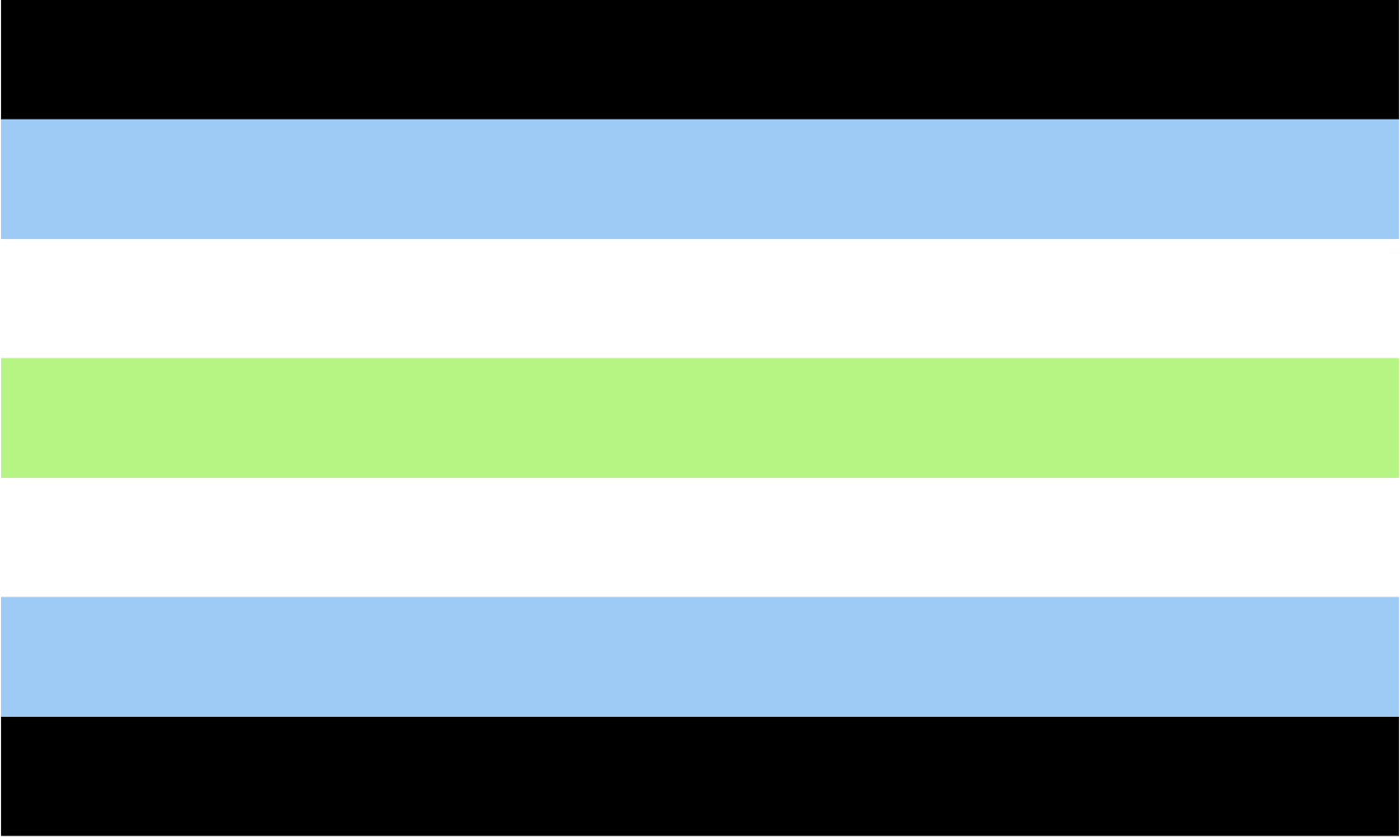
What does this flag represent?
A person who identifies as both agender and as a boy.
Colour Palette
Downloads
How to cite or reuse this flag
Source status
Use this page as the guide, then cite the provenance, symbolism and glyph sources listed below.
Attribution
Check source confidence before naming a designer or claiming a single origin story.
Educator use
For educator and inclusion materials, pair the SVG with the meaning, source confidence and context notes.
Design Symbolism
The design borrows agender black, white and green symbolism and adds blue as a culturally legible reference to boyhood or masculinity.
Layout: 7 horizontal colour bands, read from top to bottom in the public asset.
- Black and white
- Agender or genderless experience.
- Blue
- Connection with boyhood, masculinity, or being a boy.
- Green
- Nonbinary positioning outside the pink-blue binary.
Story and Usage Notes
An agender boy is someone who feels a connection to both being agender (having no gender) and being a boy. This might seem contradictory, but it highlights the complexity and diversity of gender experiences. An agender boy may feel that traditional gender categories don't fully capture their identity, blending elements of both agender and boyhood. This identity can manifest in various ways, from a mix of gender expression to a unique personal understanding of what it means to be both agender and a boy. Respecting and acknowledging agender boys is crucial in fostering an inclusive environment that honors all gender identities.
Timeline Connections
Origin and Provenance
- Introduced
- 2010s; exact derivative creator unclear
- Designer / attribution
- Unknown community derivative
- Source confidence
- low
Adapts Salem X's agender flag language for people who relate to both agender identity and boyhood or masculinity.
The agender parent flag is documented; this agender boy version should still be treated as a community derivative because the exact creator trail is not settled in durable sources.