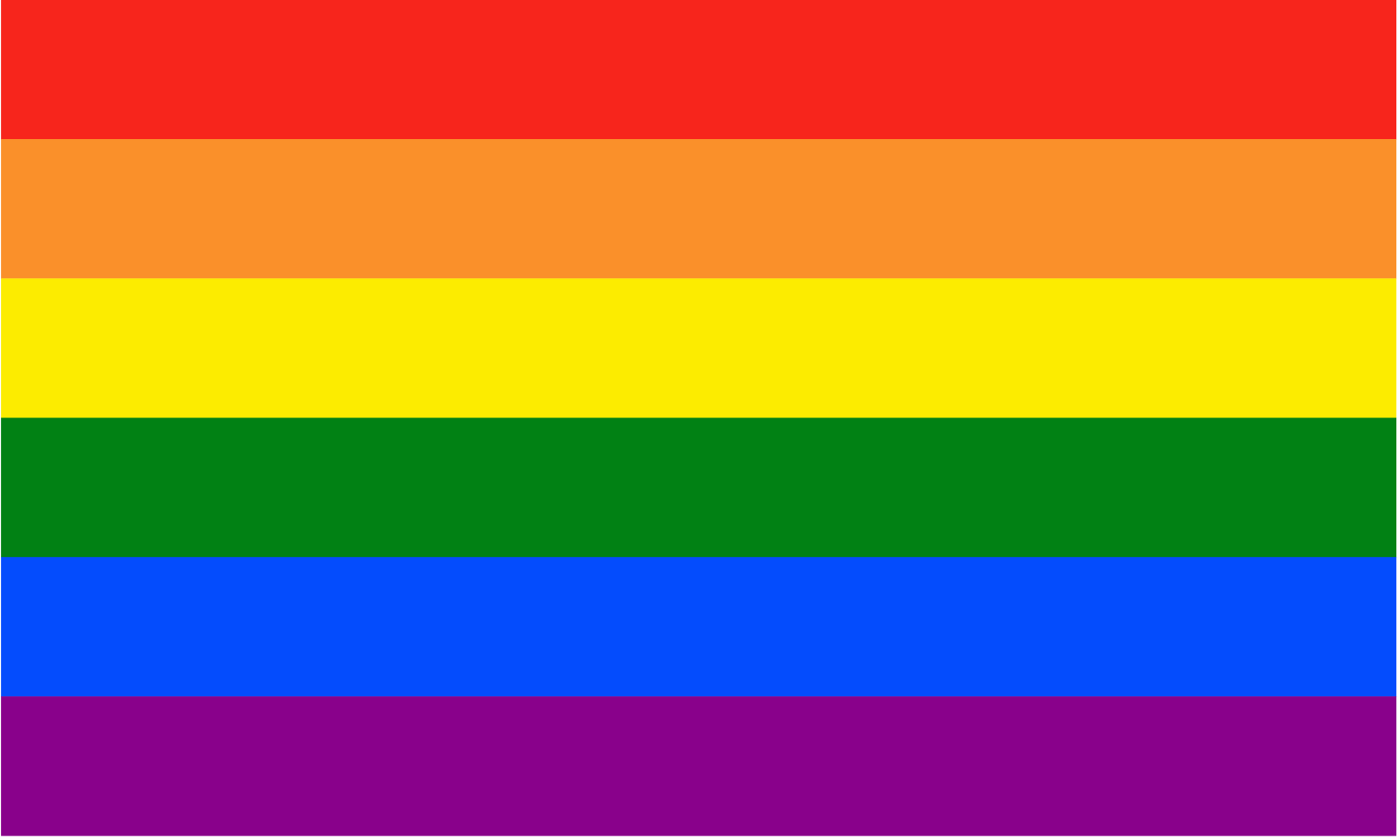
Six-Colour Rainbow Pride Flag
The six-colour rainbow keeps Baker's broad values while reflecting the production-driven 1979 simplification that became globally recognised.
Red: Life. Orange: Healing. Yellow: Sunlight. Green: Nature.
UK Pride Flag Guide
Pride flags make identity, solidarity and community history visible. This UK guide explains what every Pride flag means — its colours, symbolism, designer and provenance — with downloadable SVG flags and source-backed notes for educators and inclusion teams.
Pride flag meanings
Pride flags use colour, shape and layout to make identity, solidarity, protest and community history visible. The best flag meaning pages separate symbolism from provenance: what the colours represent, who designed or popularised the flag, how confident the attribution is, and which sources support the record.
For educators and inclusion teams
Open each flag page before reusing an asset. Check the source status, attribution confidence, colour symbolism and origin notes, then cite the linked source record rather than treating a downloaded SVG as a standalone authority.
Pride flags and meaning
Use this as a quick Pride flags meanings list, then open each flag page for the full source notes, attribution confidence, SVG download and colour palette.
The six-colour rainbow keeps Baker's broad values while reflecting the production-driven 1979 simplification that became globally recognised.
Red: Life. Orange: Healing. Yellow: Sunlight. Green: Nature.
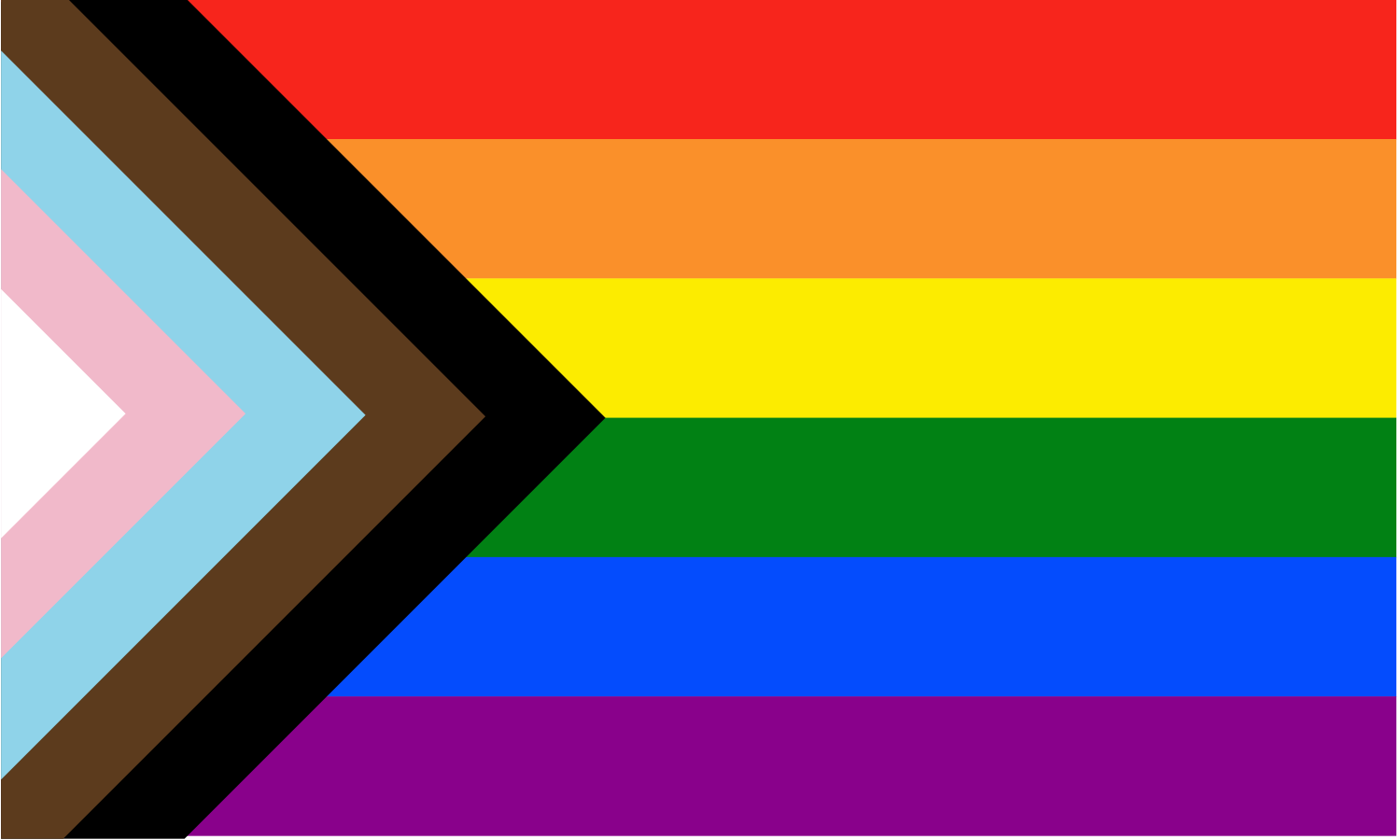
The chevron moves trans colours, black and brown inclusion stripes into the hoist, visually saying that inclusion and repair still need forward motion.
Rainbow field: The wider LGBTQ+ community and the older rainbow Pride tradition. Black and brown chevrons: Black and brown LGBTQ+ people, anti-racism, and in some readings people living with or lost to HIV/AIDS. Pink, white and blue chevrons: Transgender people and gender-diverse inclusion.
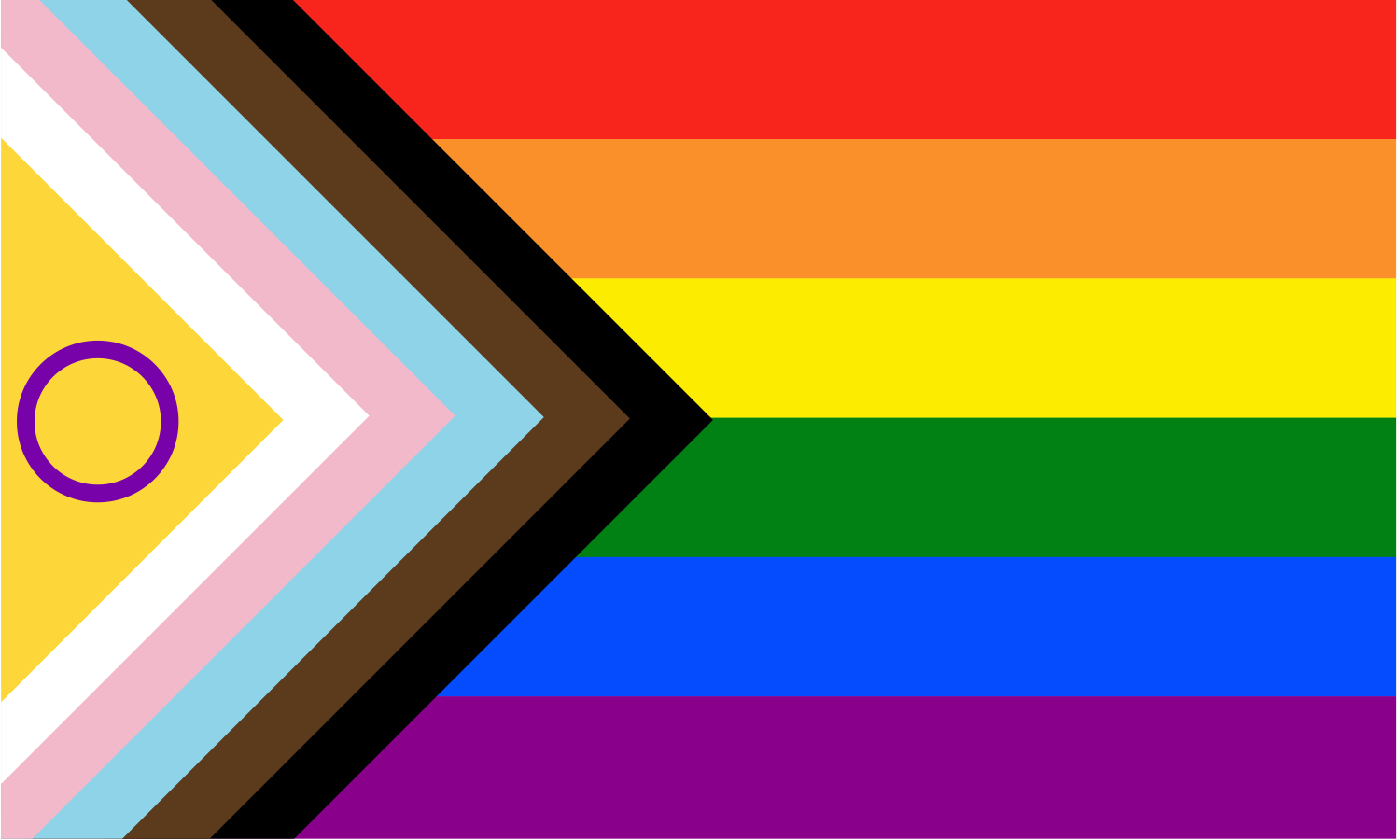
Valentino Vecchietti's variant places Morgan Carpenter's intersex circle inside the Progress Pride chevron, making intersex inclusion explicit rather than implied.
Rainbow field: The wider LGBTQ+ community. Black, brown, pink, white and blue chevrons: Racial inclusion, HIV/AIDS memory and trans inclusion. Yellow triangle with purple circle: Intersex wholeness, autonomy and non-derivative symbolism.
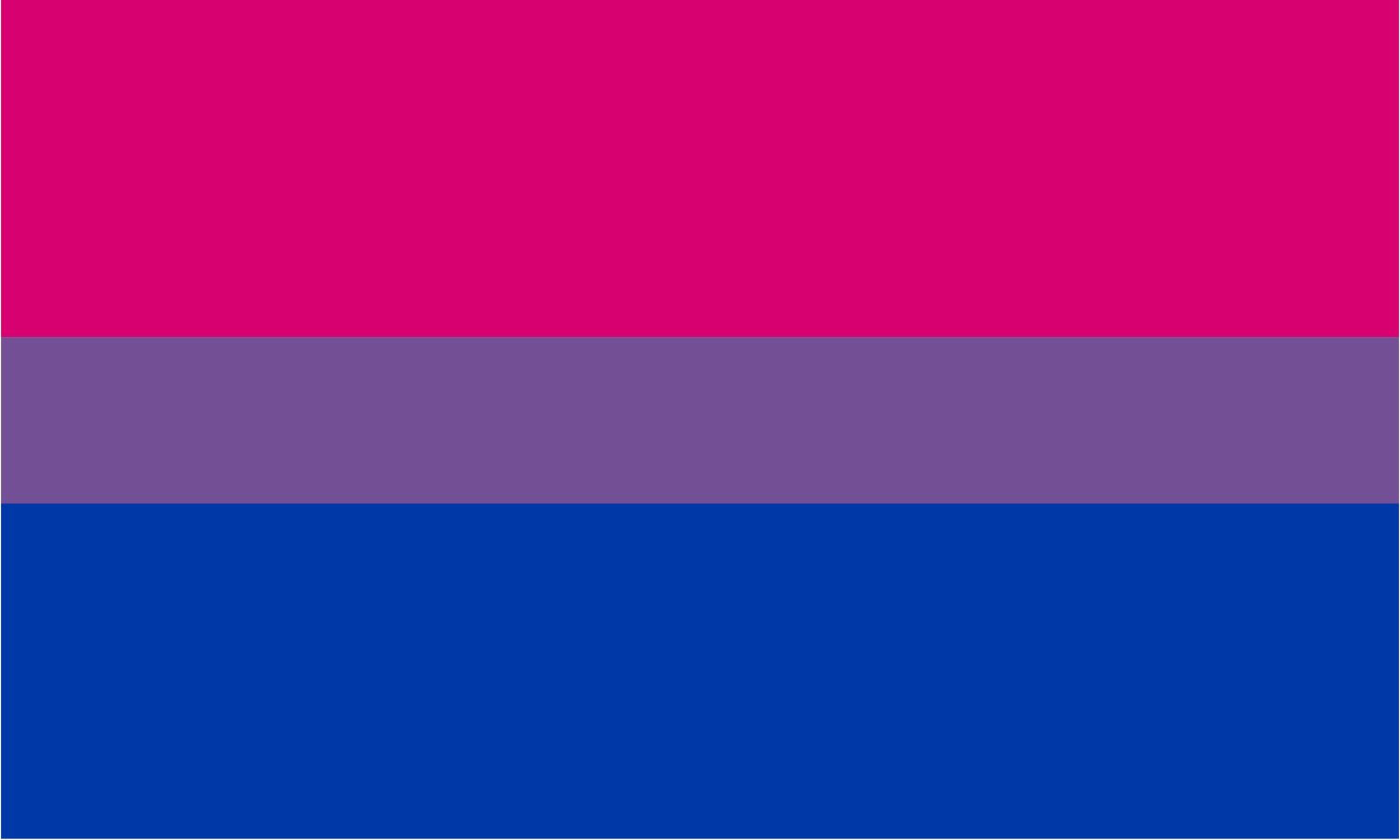
The broad pink and blue fields were designed to blend through a narrow purple centre, making bisexual overlap and visibility the core visual idea.
Pink: Same-gender attraction in Michael Page's original explanation. Purple: Overlap, blending and bisexual attraction. Blue: Different-gender attraction in the original explanation.
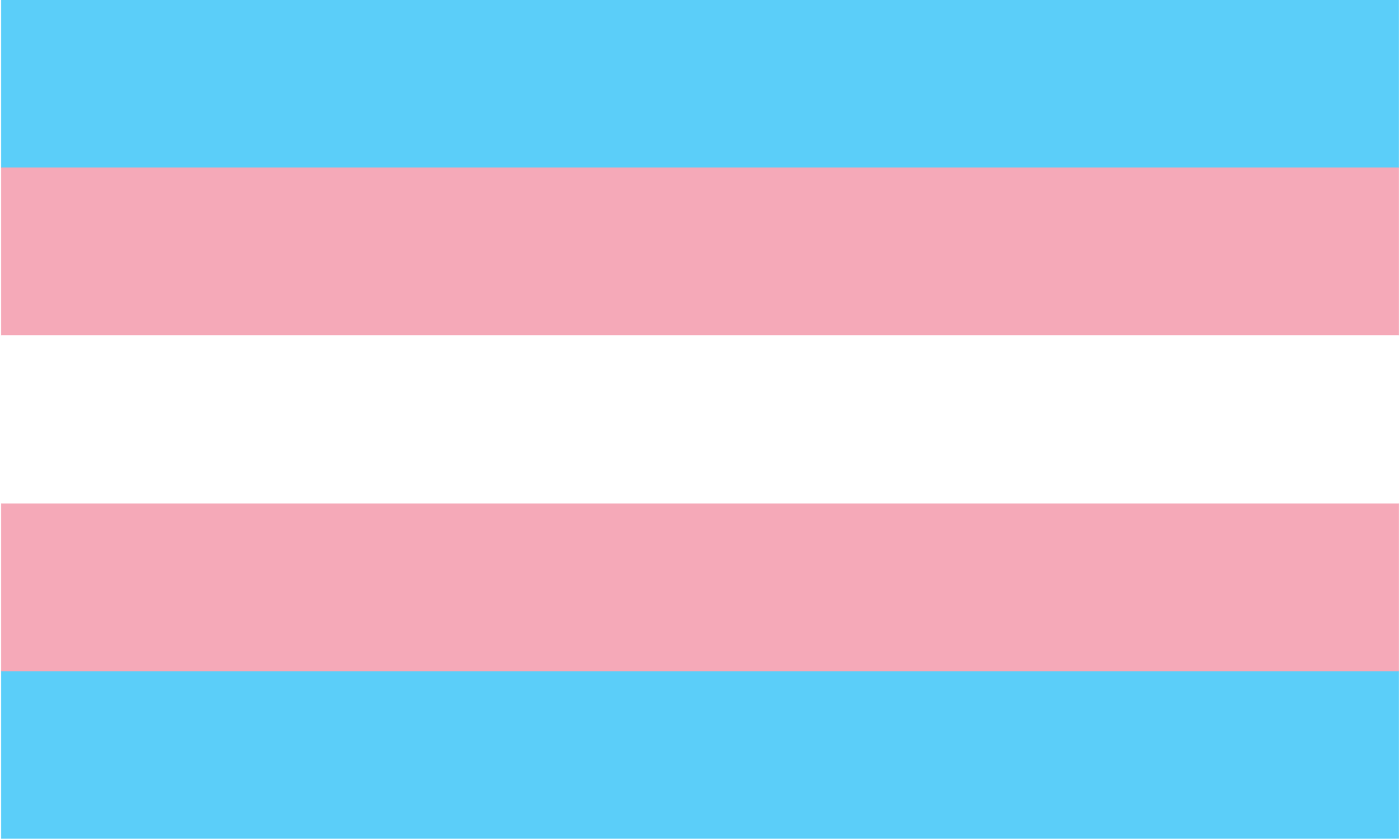
Monica Helms designed a symmetrical blue, pink and white flag so it remains correct whichever way it is flown, reflecting there is no wrong way to be trans.
Light blue: Traditional boy colour and trans masculine experience. Pink: Traditional girl colour and trans feminine experience. White: People who are transitioning, intersex, nonbinary or otherwise outside binary gender.
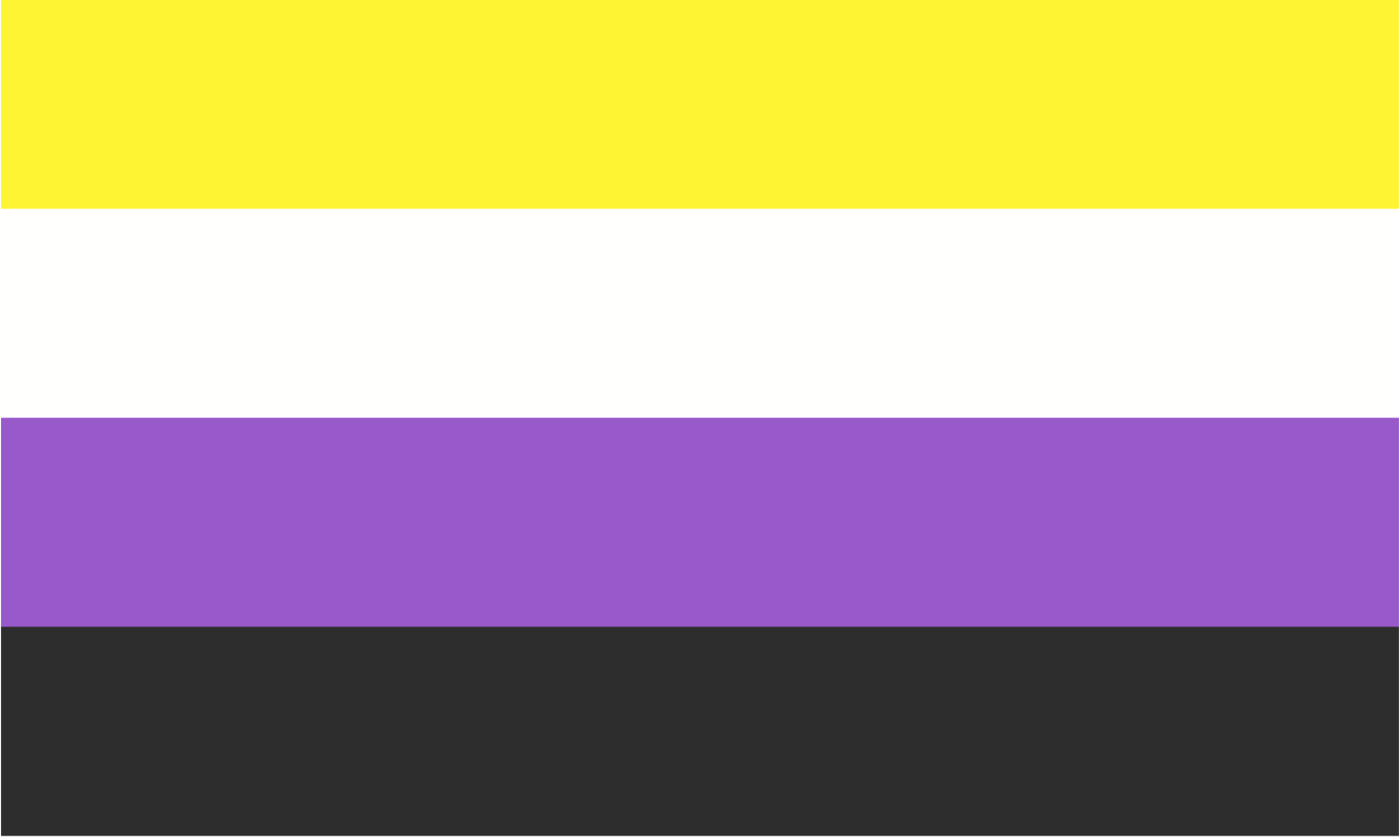
Kye Rowan's design was made to sit alongside, not replace, the genderqueer flag, with each stripe naming a different relationship to the gender binary.
Yellow: People outside the gender binary. White: People with many or multiple genders. Purple: Blend or mixture of male and female gender. Black: Agender people.
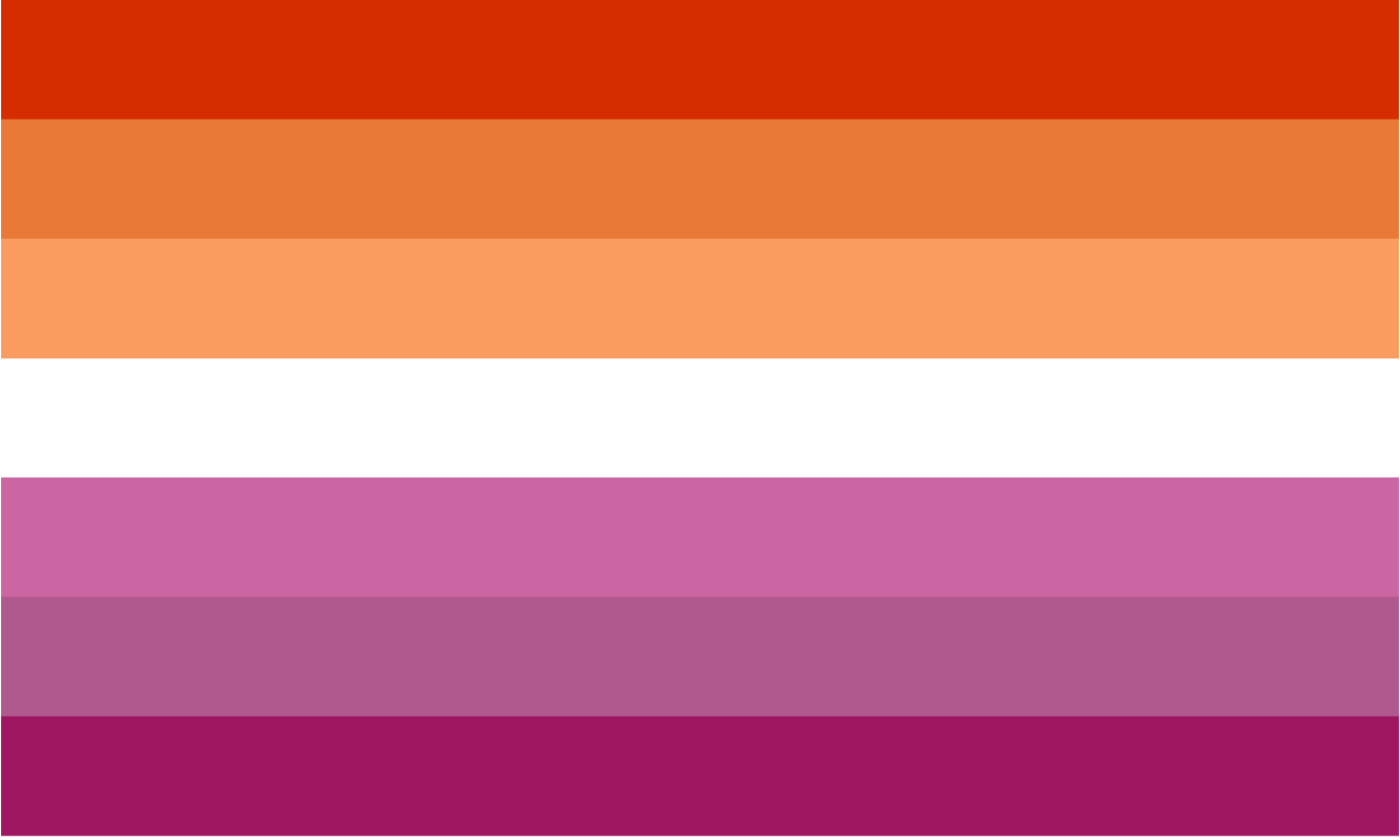
The orange-to-pink redesign is widely read as lesbian community, independence, relationships to womanhood, peace, love and femininity, with a broader intent than earlier lipstick-lesbian designs.
Orange tones: Gender nonconformity, independence and community. White: Unique relationships to womanhood. Pink tones: Serenity, love, sex and femininity.
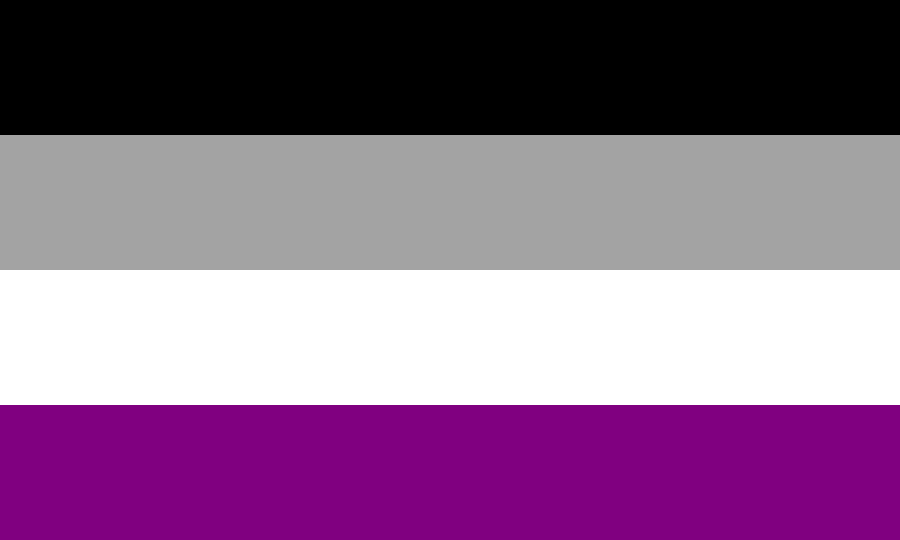
Also known as: Ace flag
The asexual flag formalised AVEN community colours into a four-stripe design spanning asexuality, grey-asexuality, allosexual connection and community.
Black: Asexuality. Grey: Grey-asexual and demisexual experiences. White: Allosexuality, partners or allies depending on source context. Purple: Asexual community.
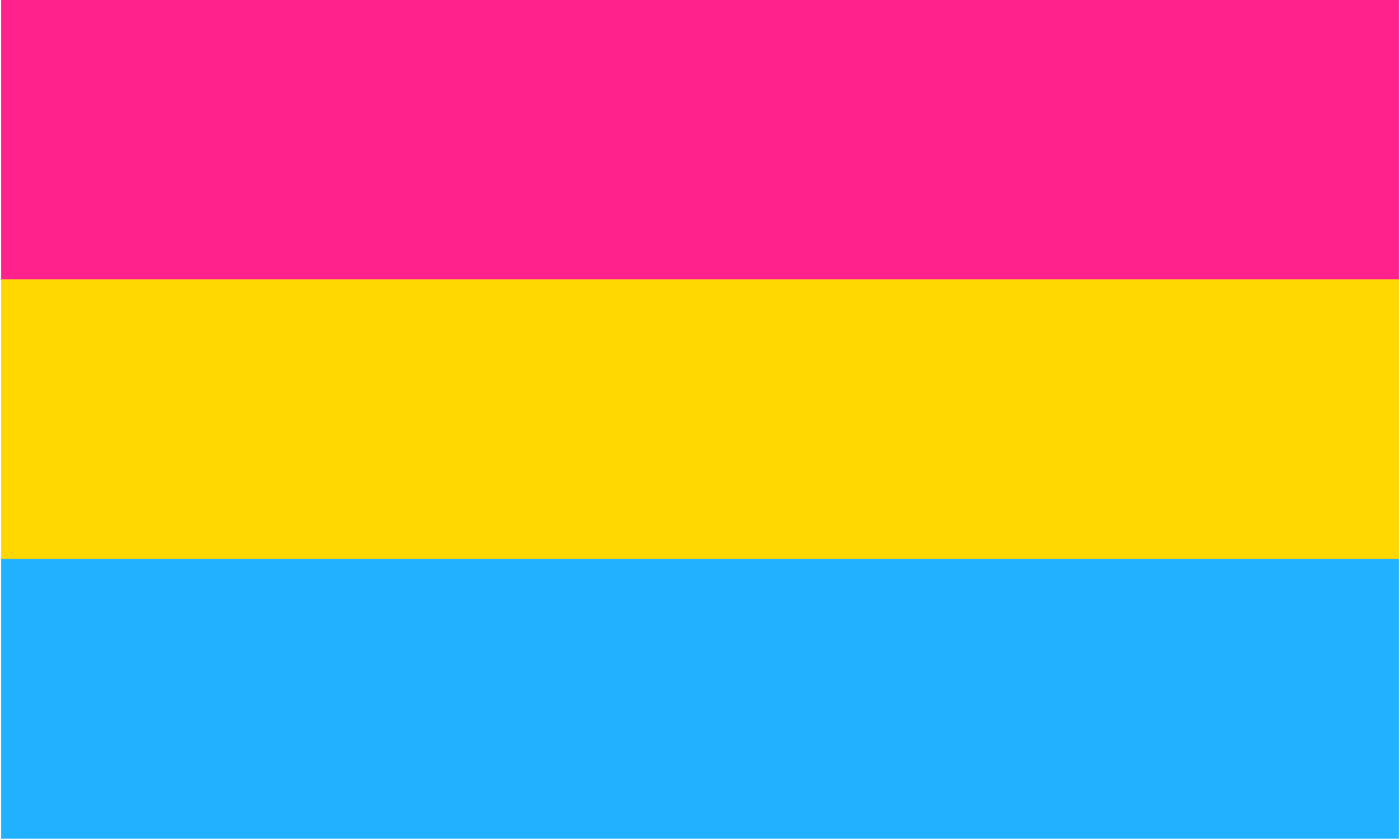
Magenta, yellow and cyan are commonly read as attraction to women, nonbinary people and men, making the middle yellow band the visual marker for attraction beyond the binary.
Magenta: Attraction to women or feminine-aligned people. Yellow: Attraction to nonbinary people and genders beyond the binary. Cyan: Attraction to men or masculine-aligned people.
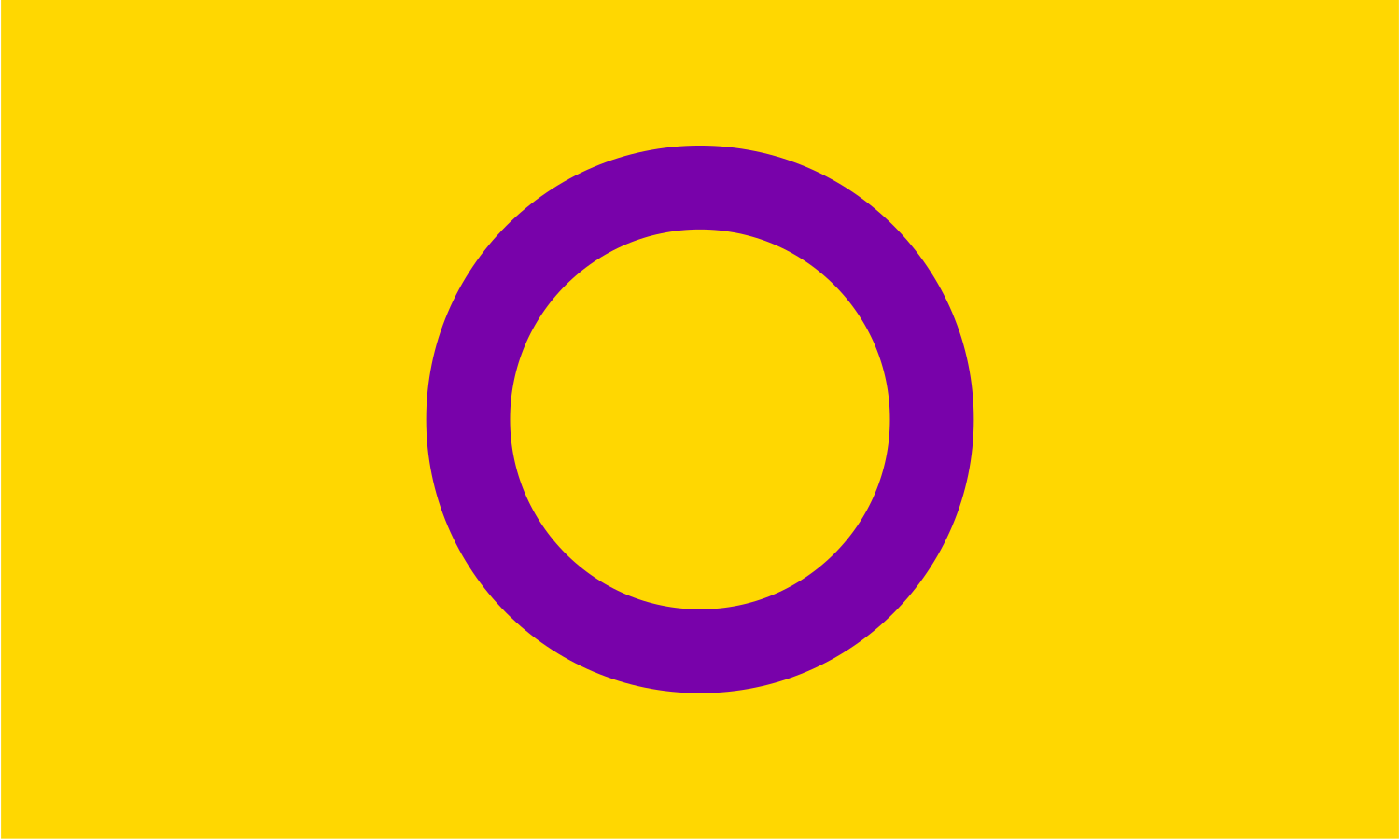
Yellow and purple were chosen as colours outside conventional gender coding, while the unbroken circle represents wholeness and completeness.
Yellow field: A colour deliberately not derived from pink or blue gender coding. Purple circle: Wholeness, completeness and intersex autonomy.
40 flags shown
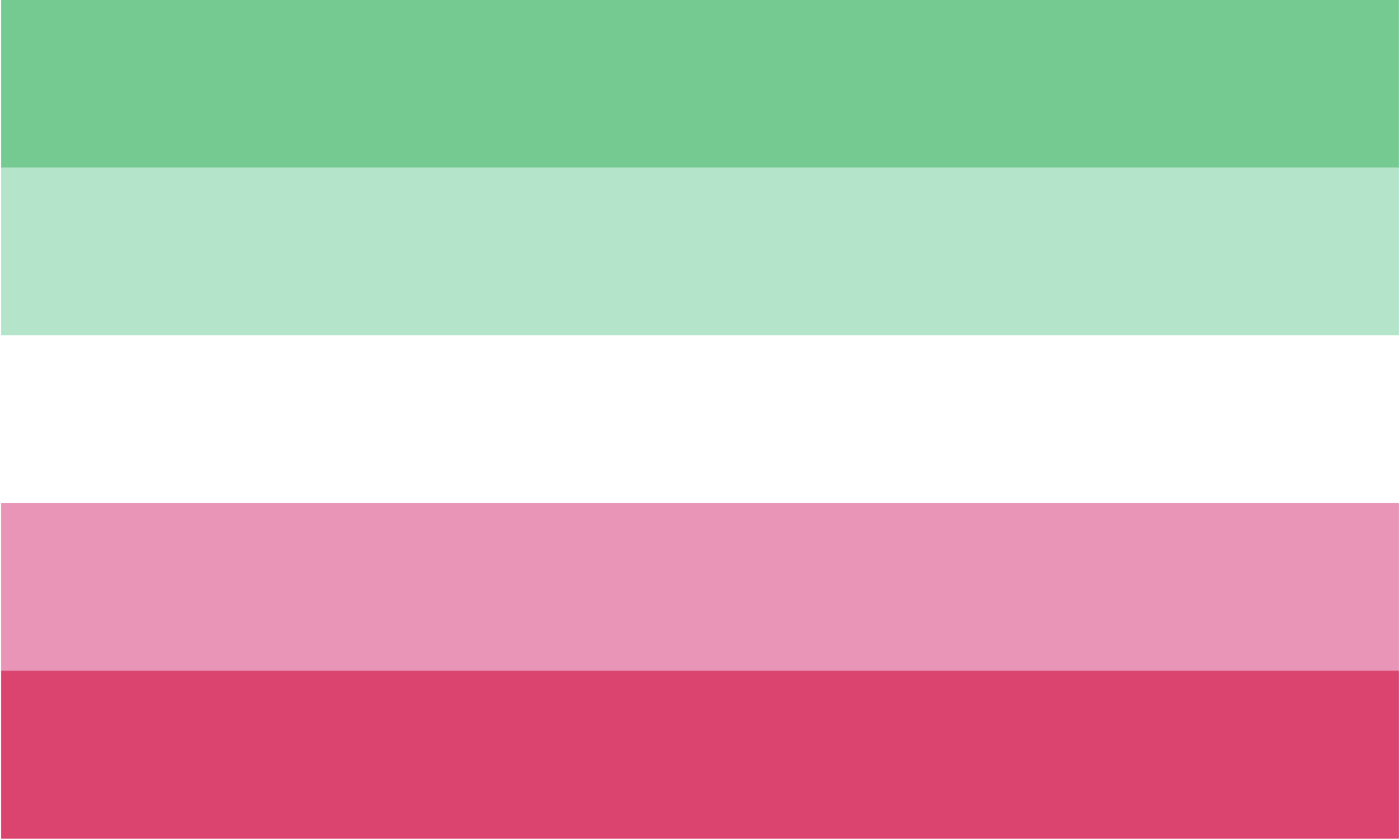
Sexual orientation
2010s · Mod Chad
Timeline linkedA person whose sexual orientation is fluid and changes over time.
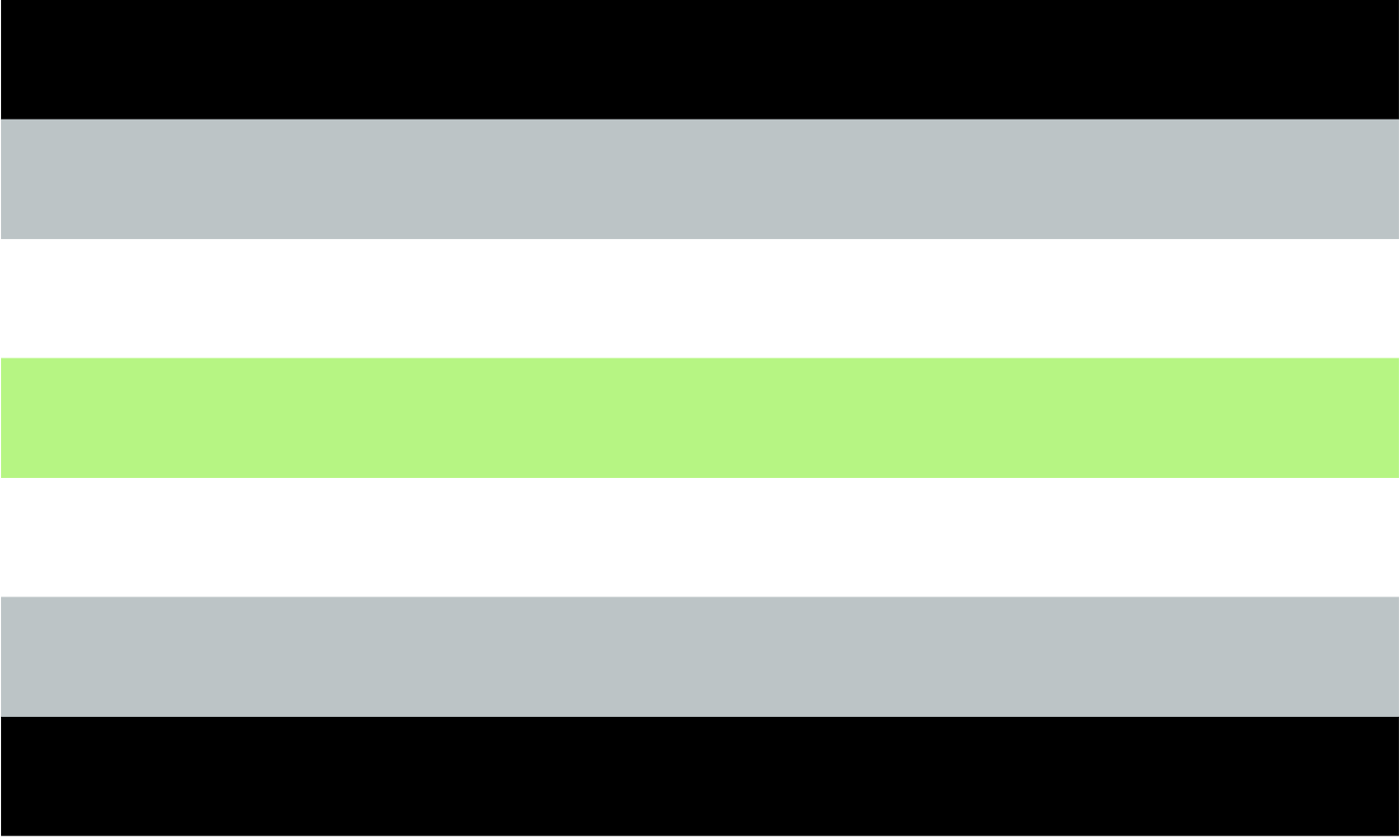
Gender identity
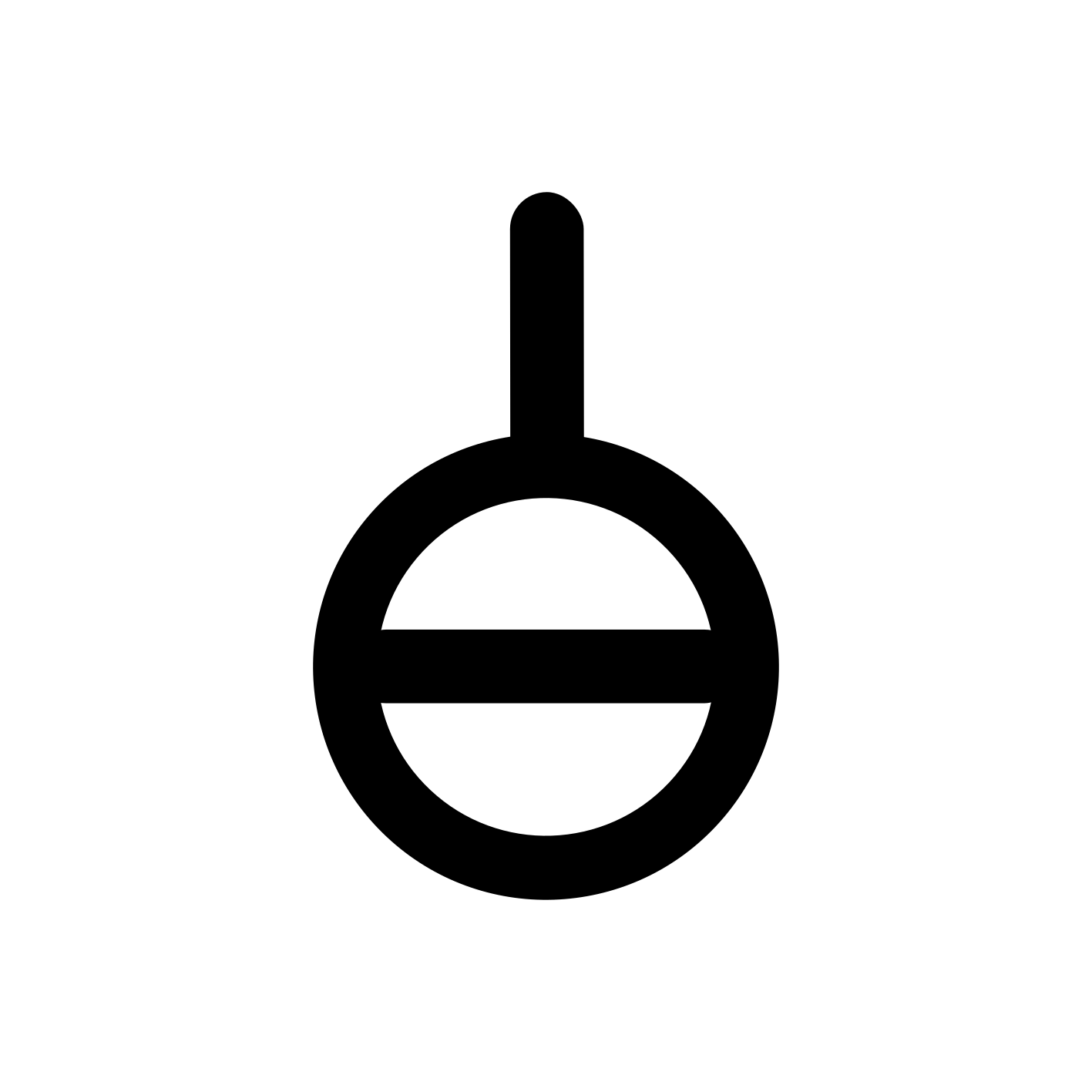
2014 · Salem X
Timeline linkedA person who does not identify with any gender.
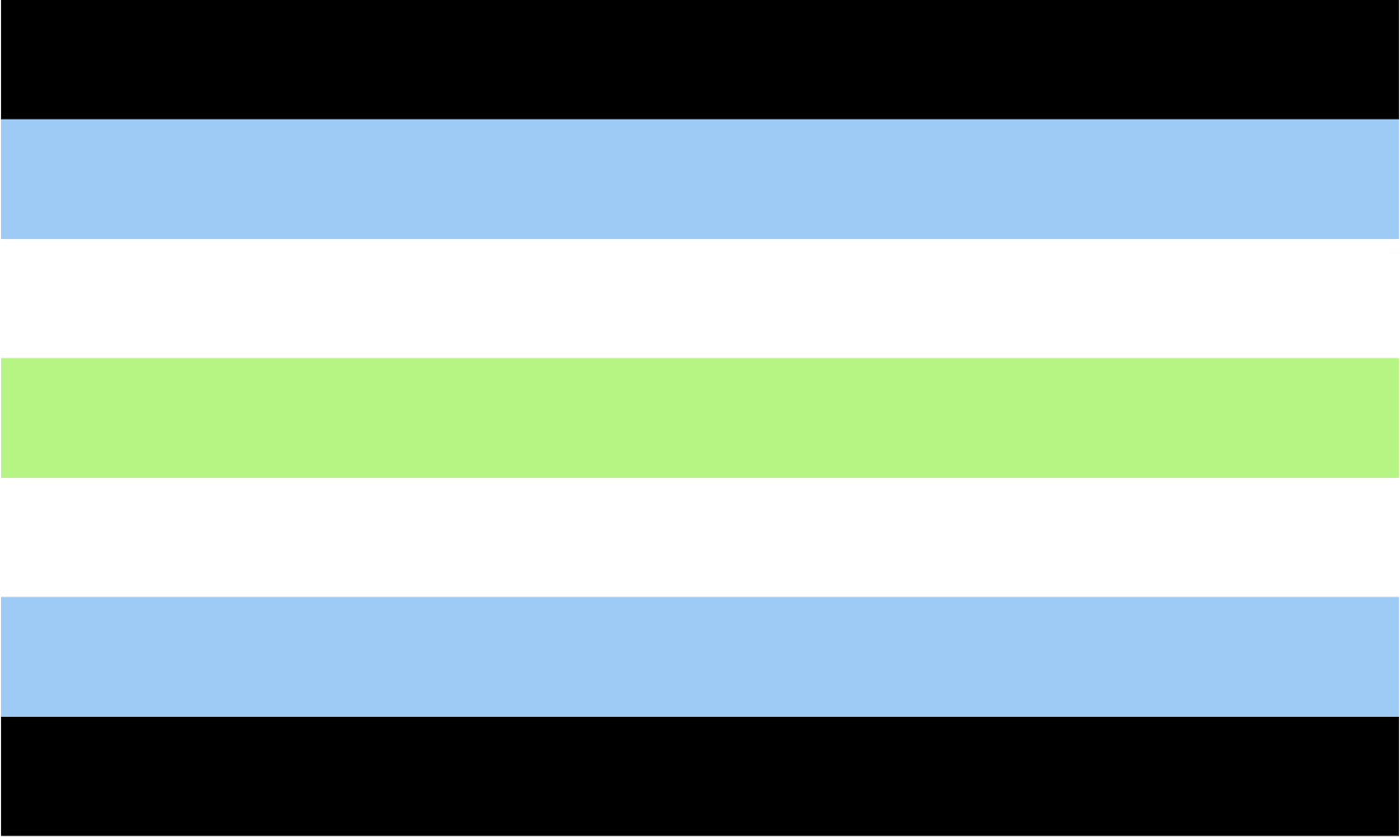
Gender identity
2010s
Timeline linkedA person who identifies as both agender and as a boy.
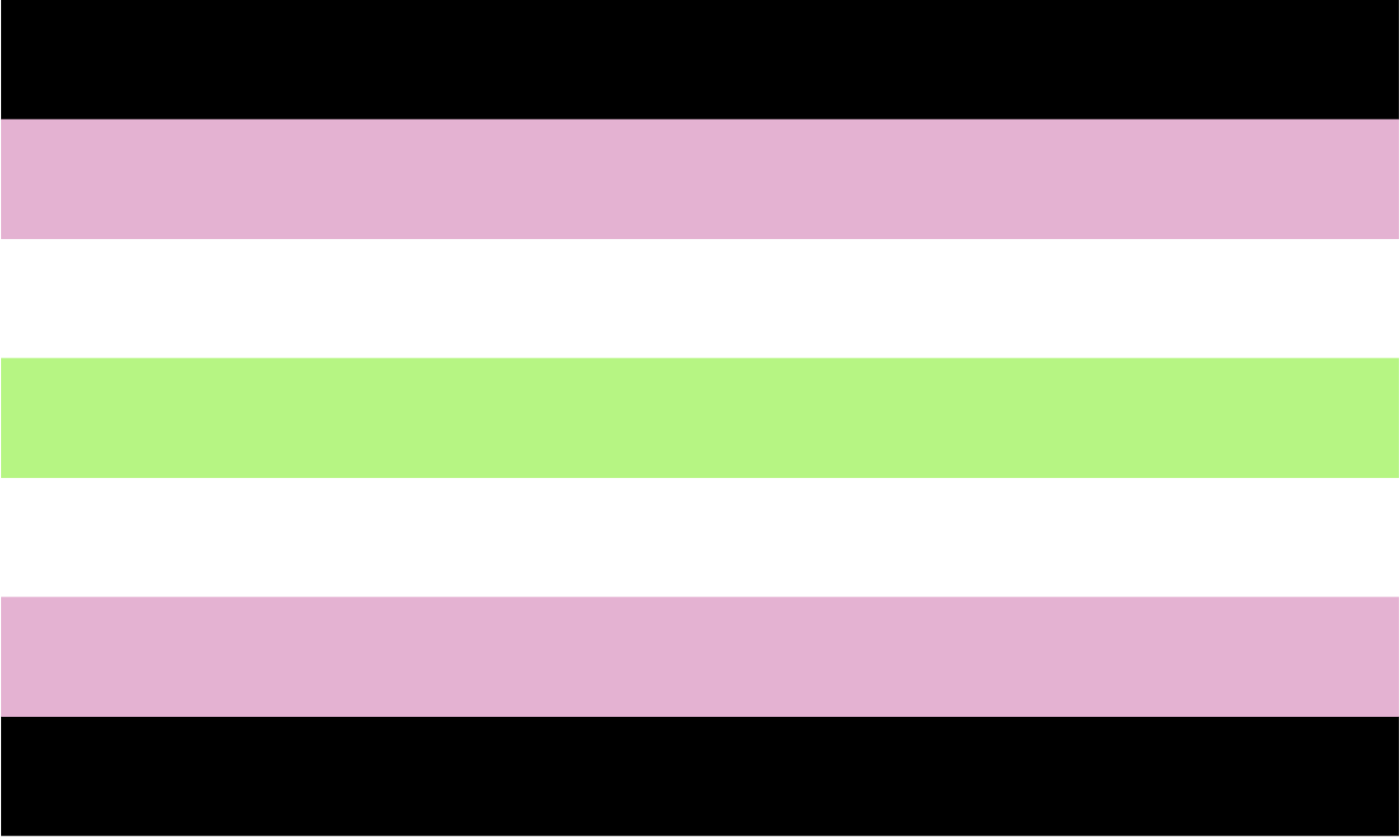
Gender identity
2010s
Timeline linkedA person who identifies as both agender and as a girl.
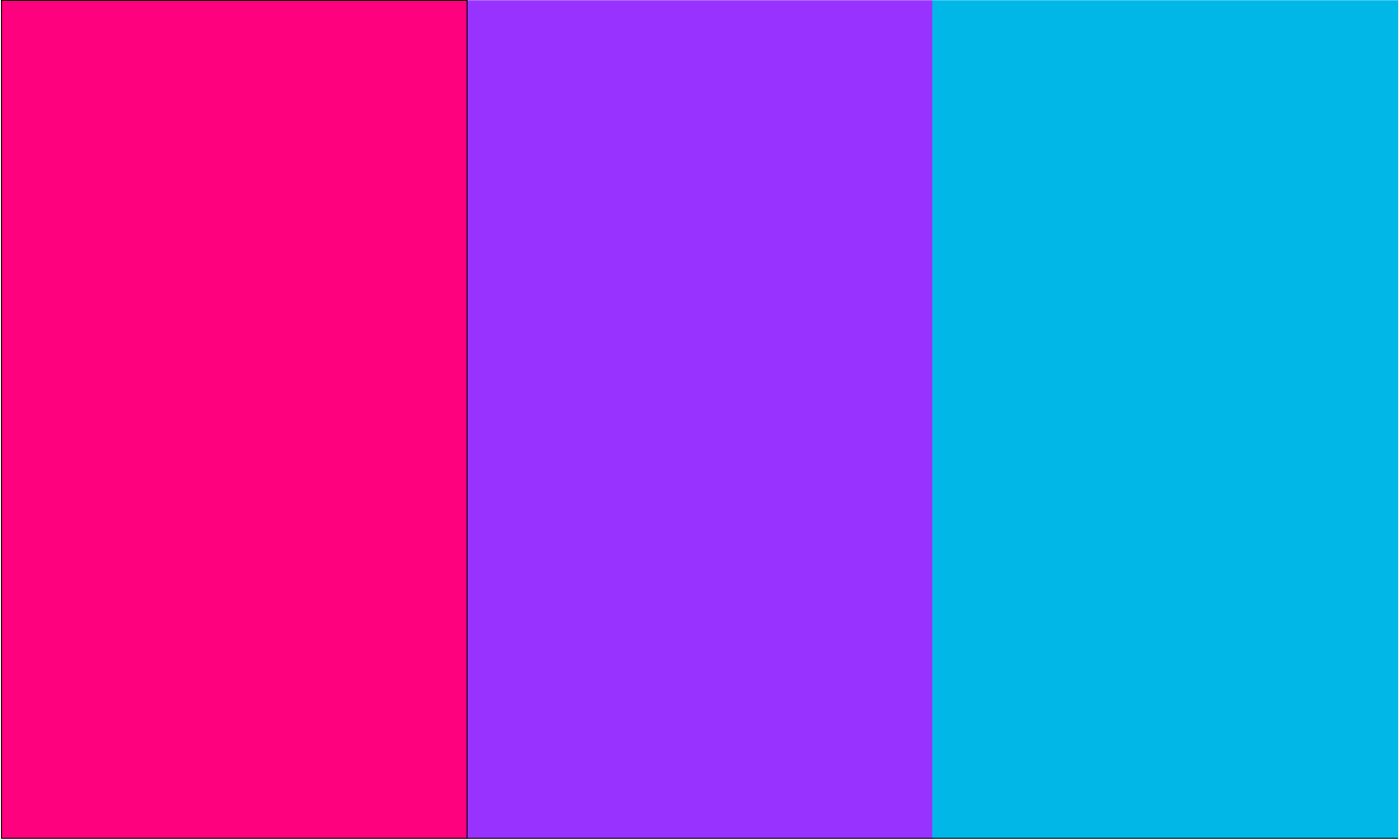
Gender identity
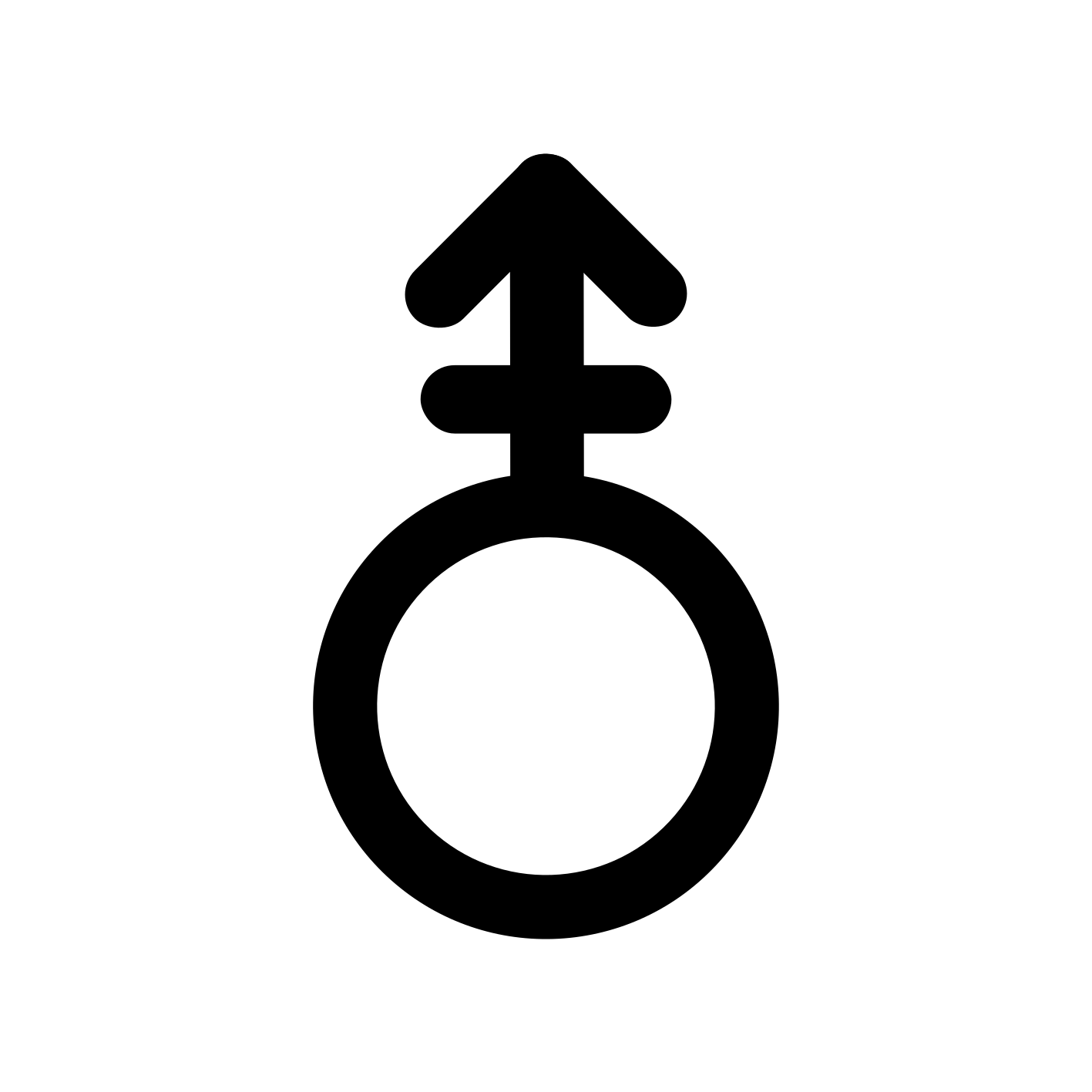
2010s
Timeline linkedA person whose gender is a mix of both male and female characteristics.

Romantic orientation
2014 · Cameron Whimsy
Timeline linkedA person who experiences little to no romantic attraction to others.
Sexual orientation
2010 · AVEN user standup
Timeline linkedA person who experiences little or no sexual attraction, or who identifies with the asexual spectrum.
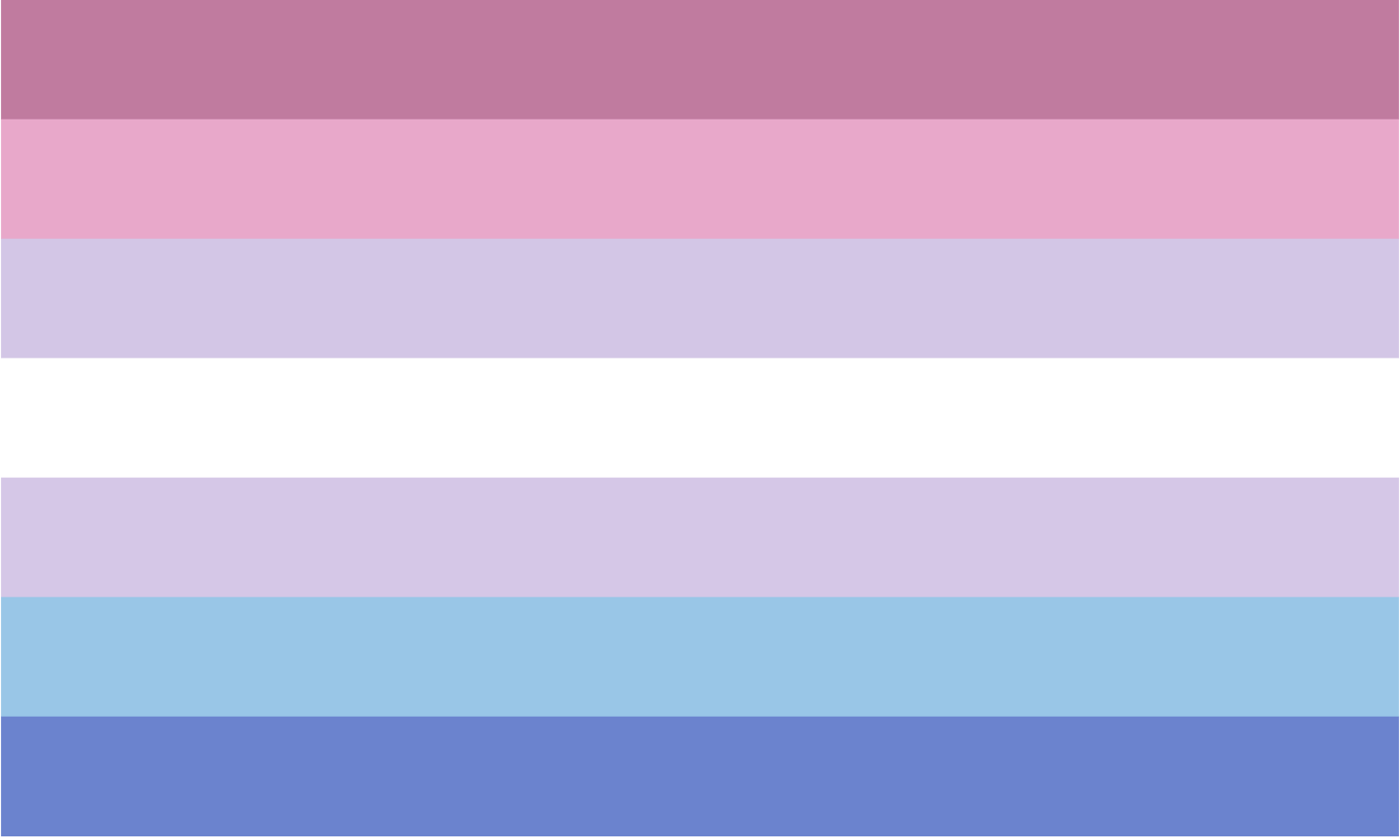
Gender identity
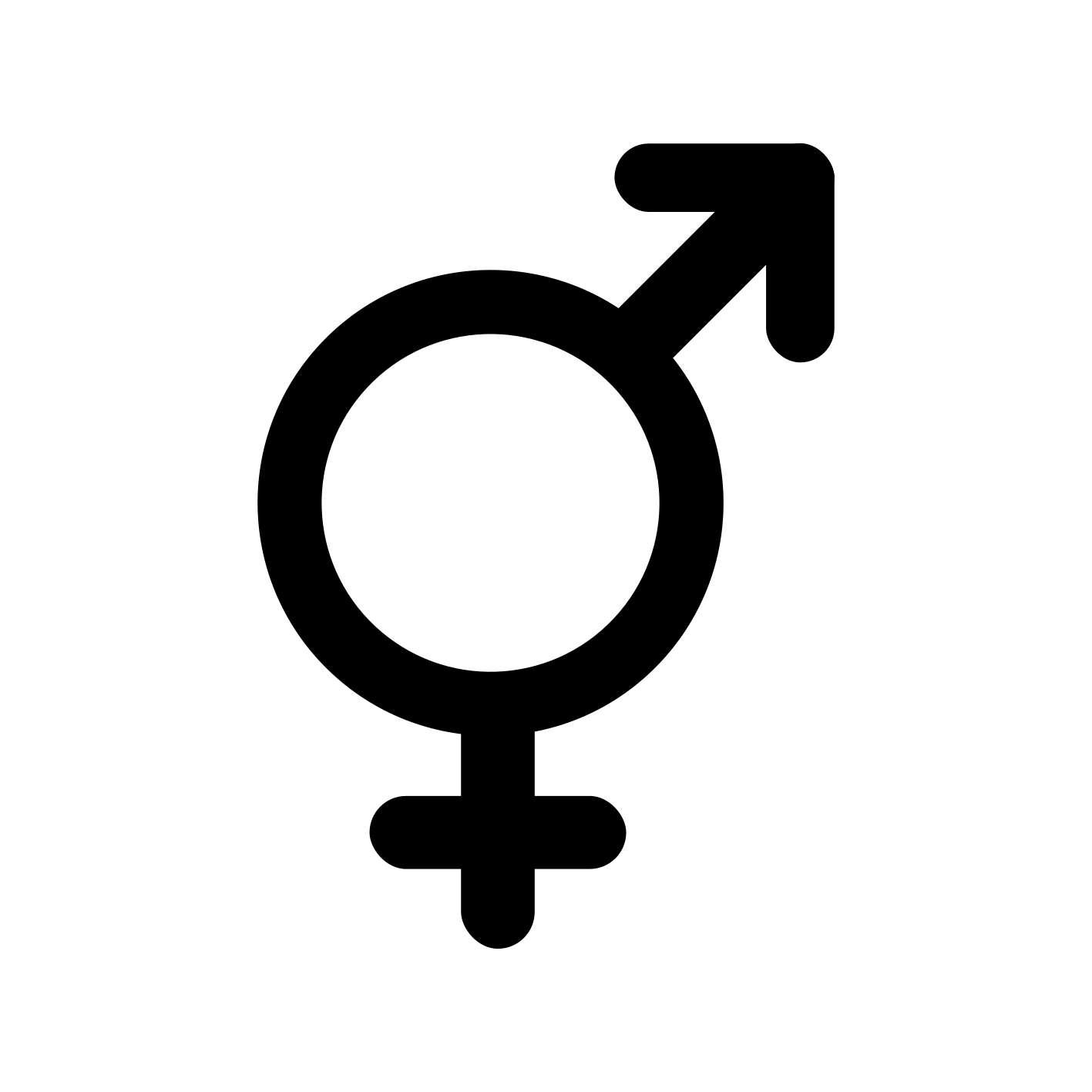
2010s
Timeline linkedA person who identifies with two distinct genders, either simultaneously or switching between them.
Sexual orientation
1998 · Michael Page
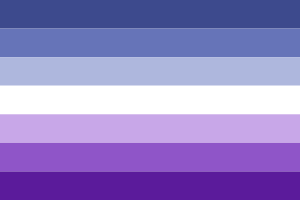
Timeline linkedBisexual describes attraction to more than one gender, often including attraction to people of the same and different genders.
Gender expression
2016 · Dorian Rutherford
Timeline linkedA flag used by some butch and non-femme lesbians to represent butch identity and visibility.
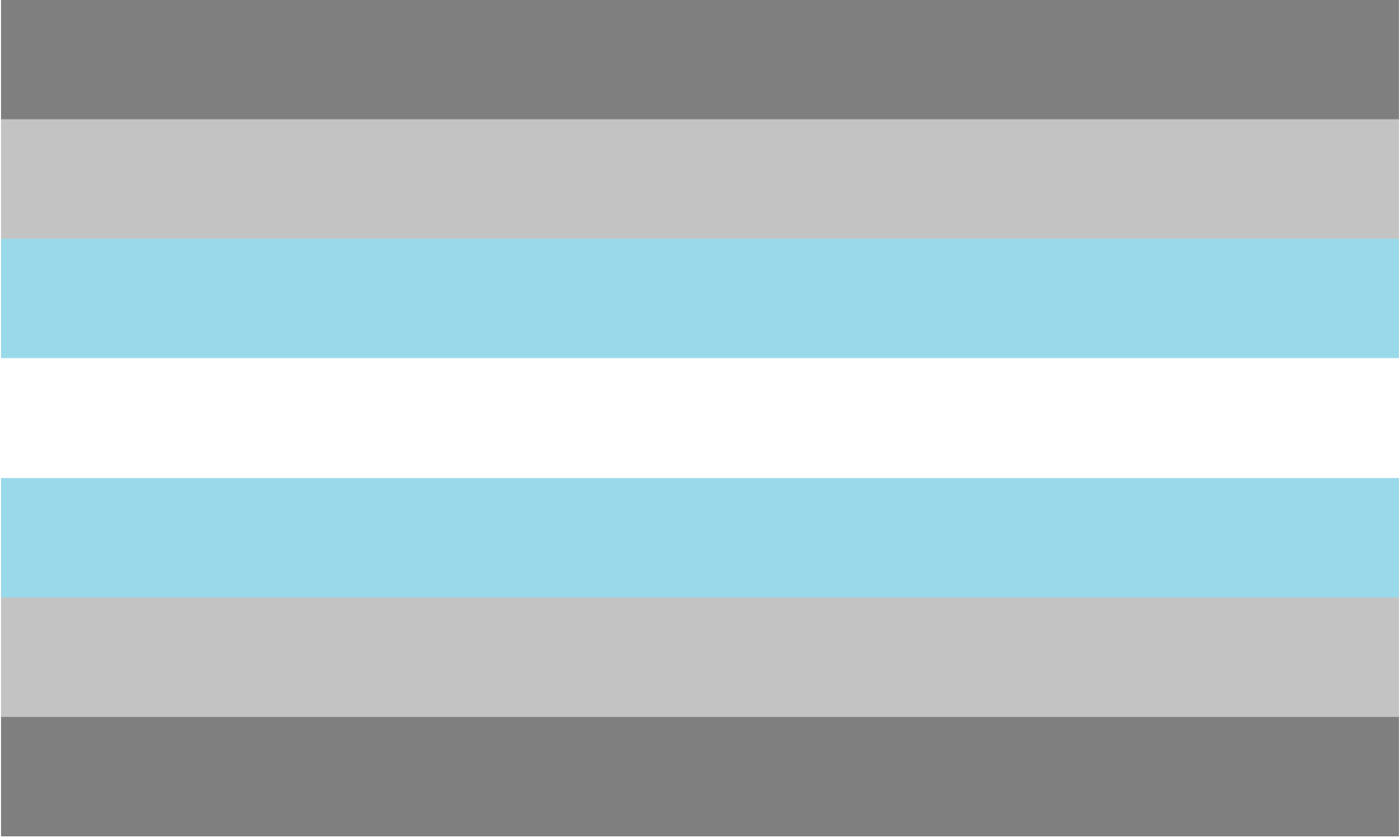
Gender identity
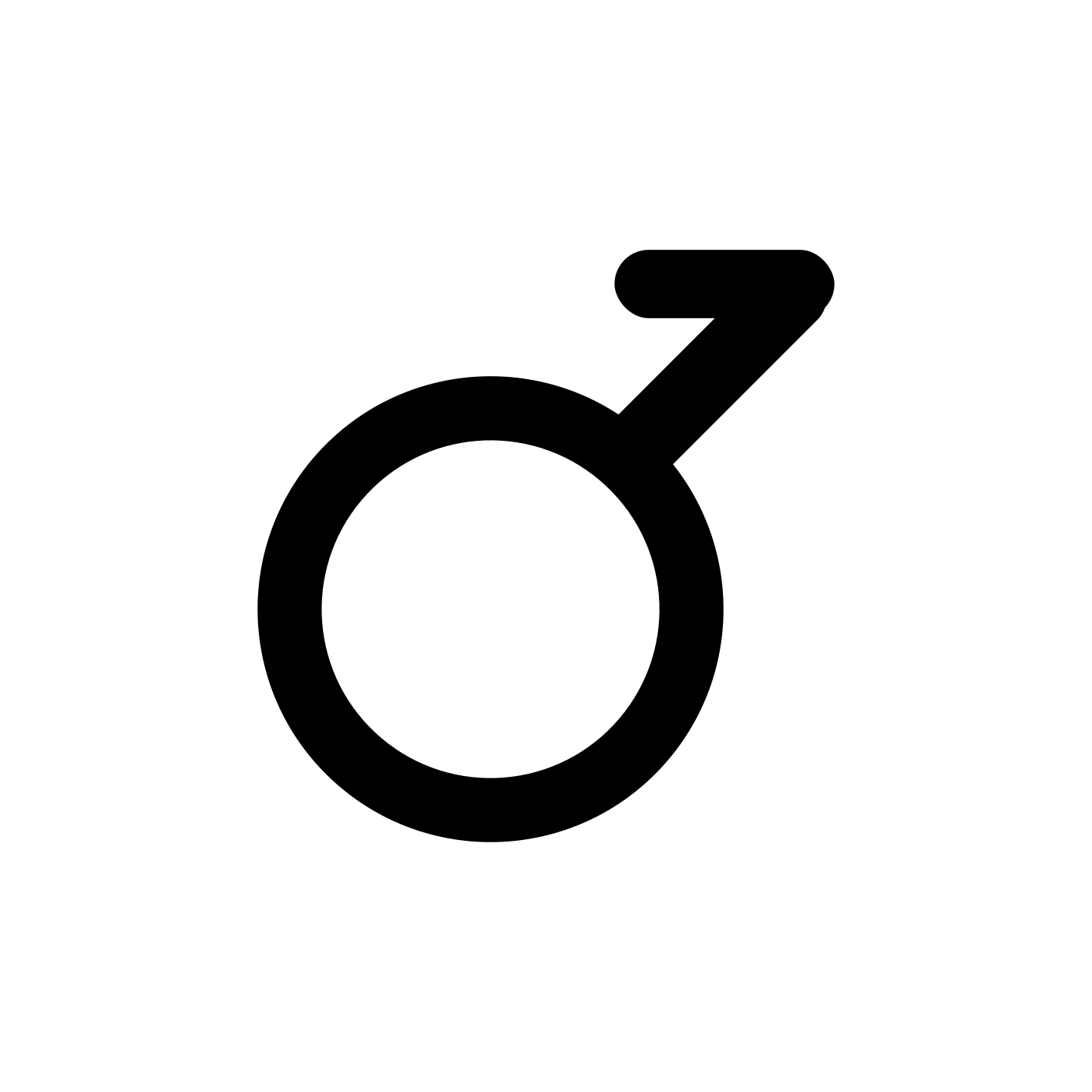
2014 · Salem X / Salom X
Timeline linkedA person who partially, but not wholly, identifies as a boy or man.
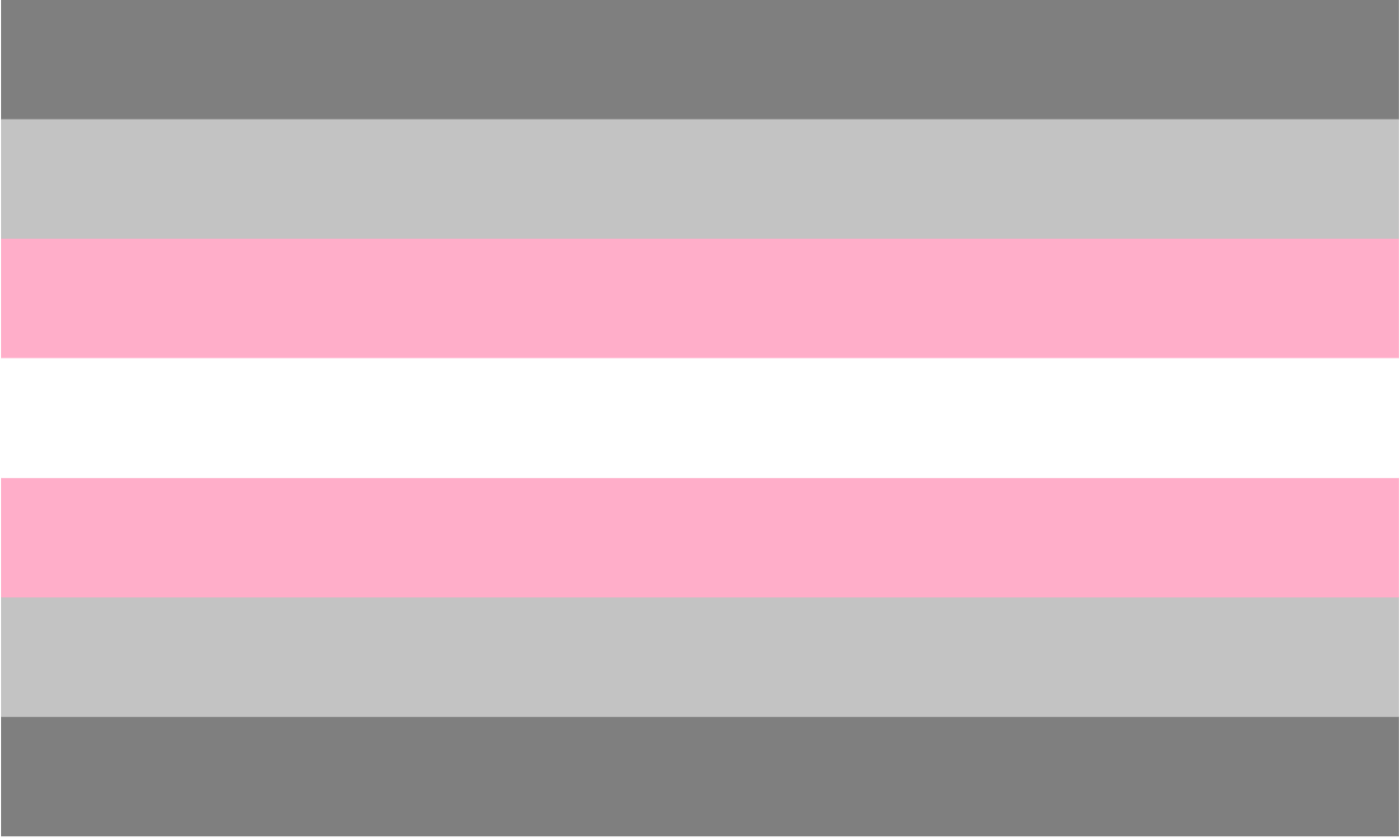
Gender identity
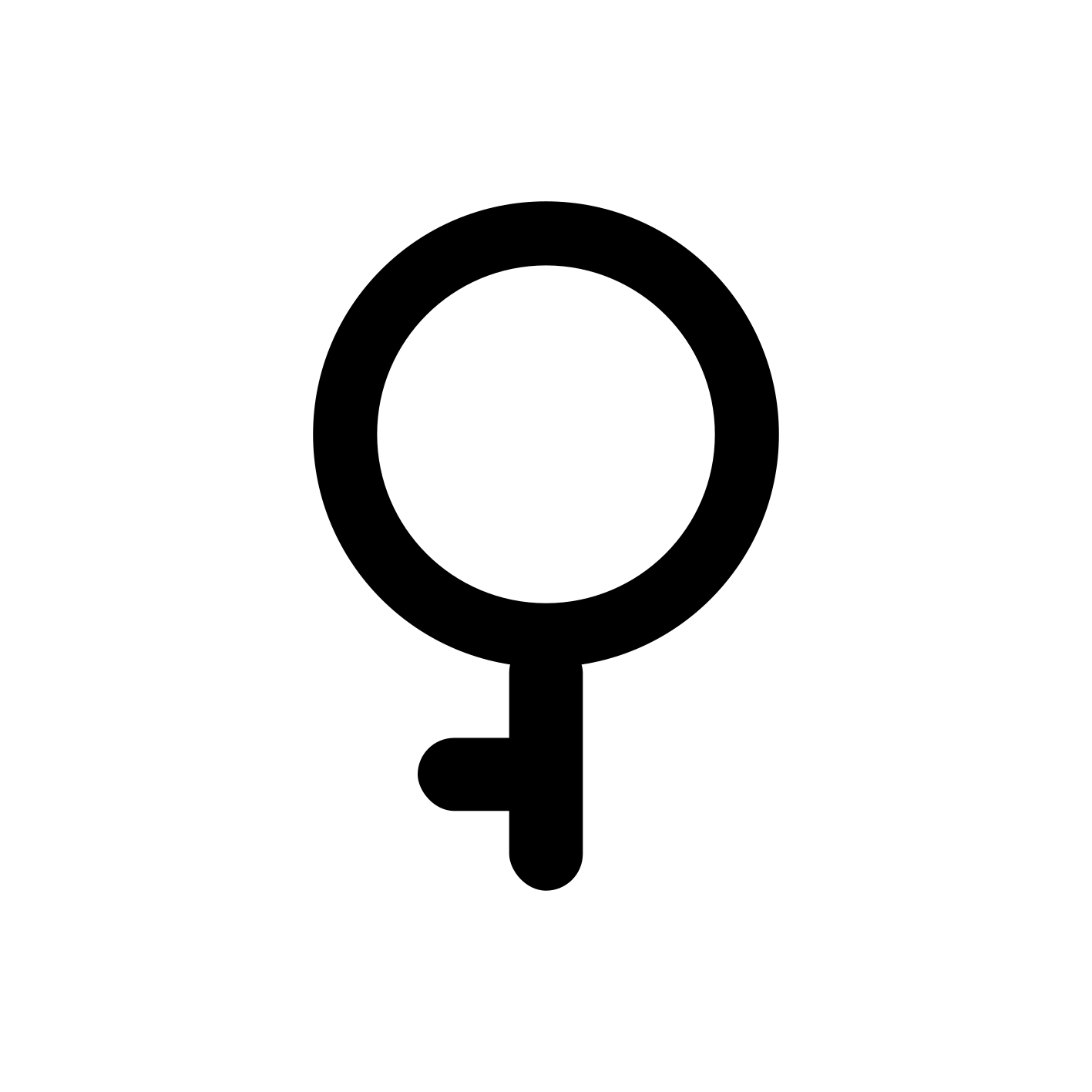
2014 · Salem X / Salom X
Timeline linkedA person who partially, but not wholly, identifies as a girl or woman.
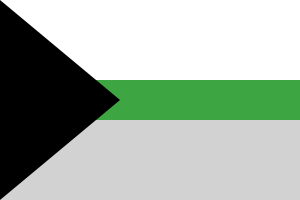
Romantic orientation
2010s
Timeline linkedA person who generally experiences romantic attraction only after forming a strong emotional bond.
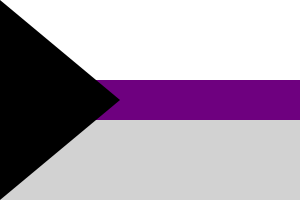
Sexual orientation
2010s
Timeline linkedA person who generally experiences sexual attraction only after forming a strong emotional bond.
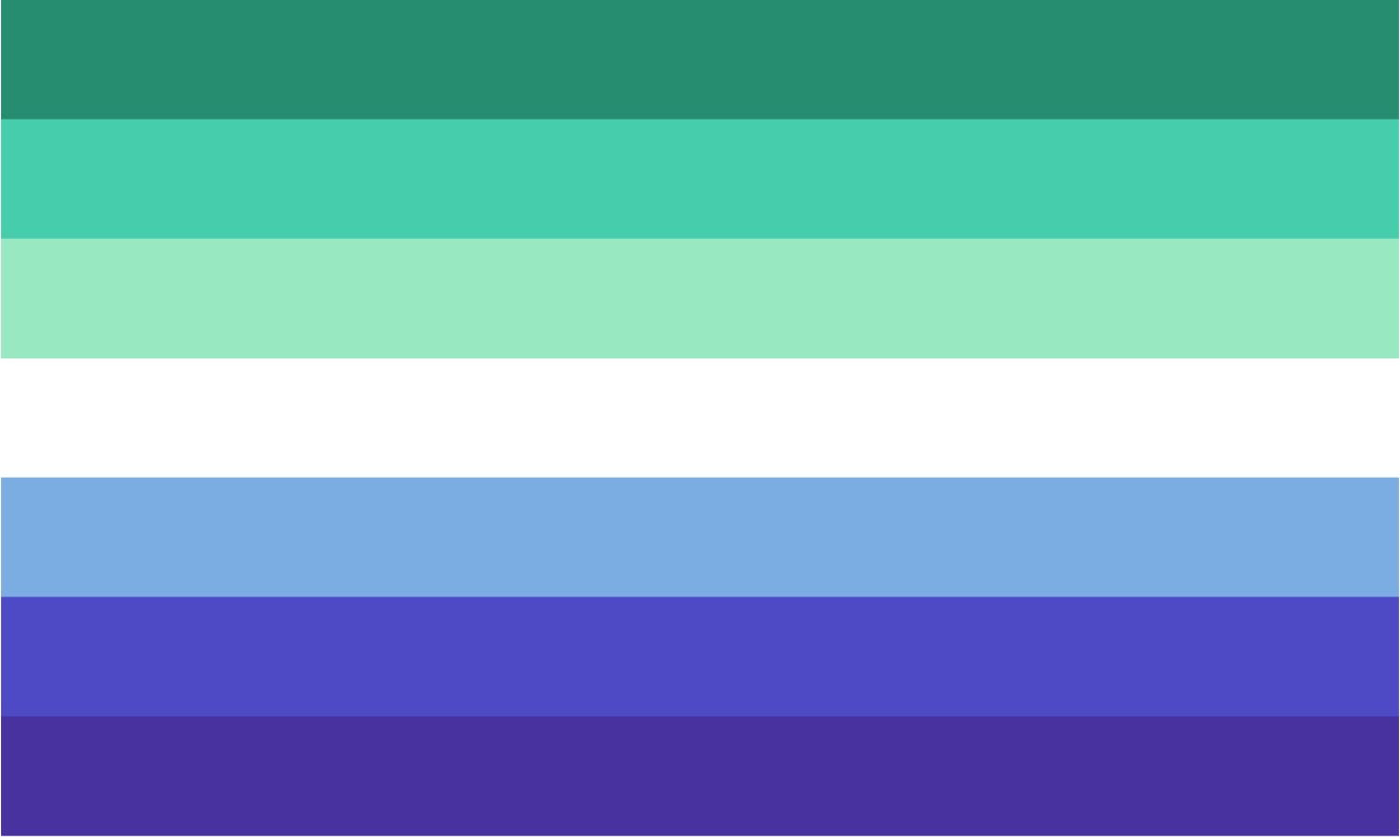
Sexual orientation
2010s
Timeline linkedA flag used to represent gay men: men who are romantically or sexually attracted to other men.
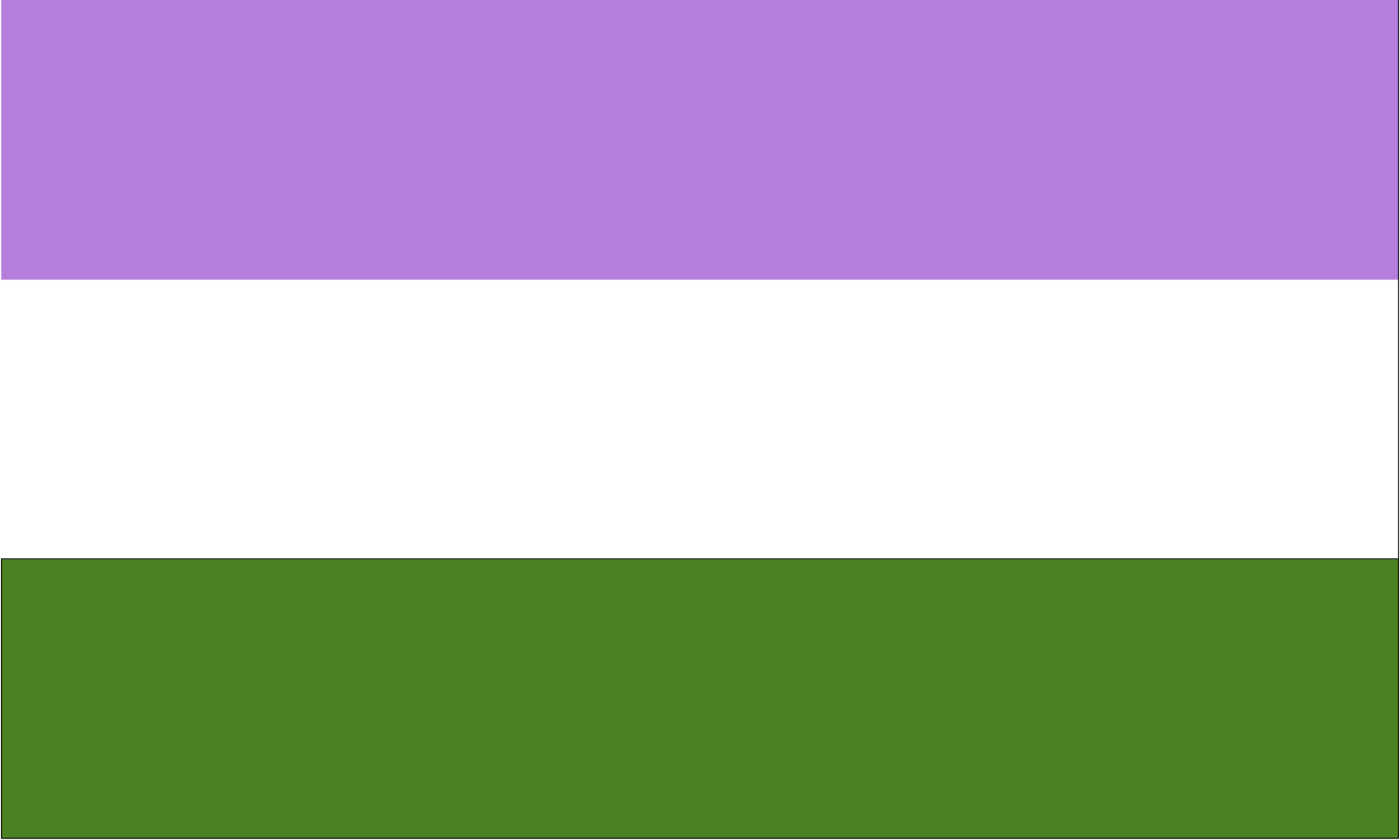
Gender identity
2011 · Marilyn Roxie
Timeline linkedA person who rejects traditional gender distinctions and may identify as both, neither, or a mix of genders.
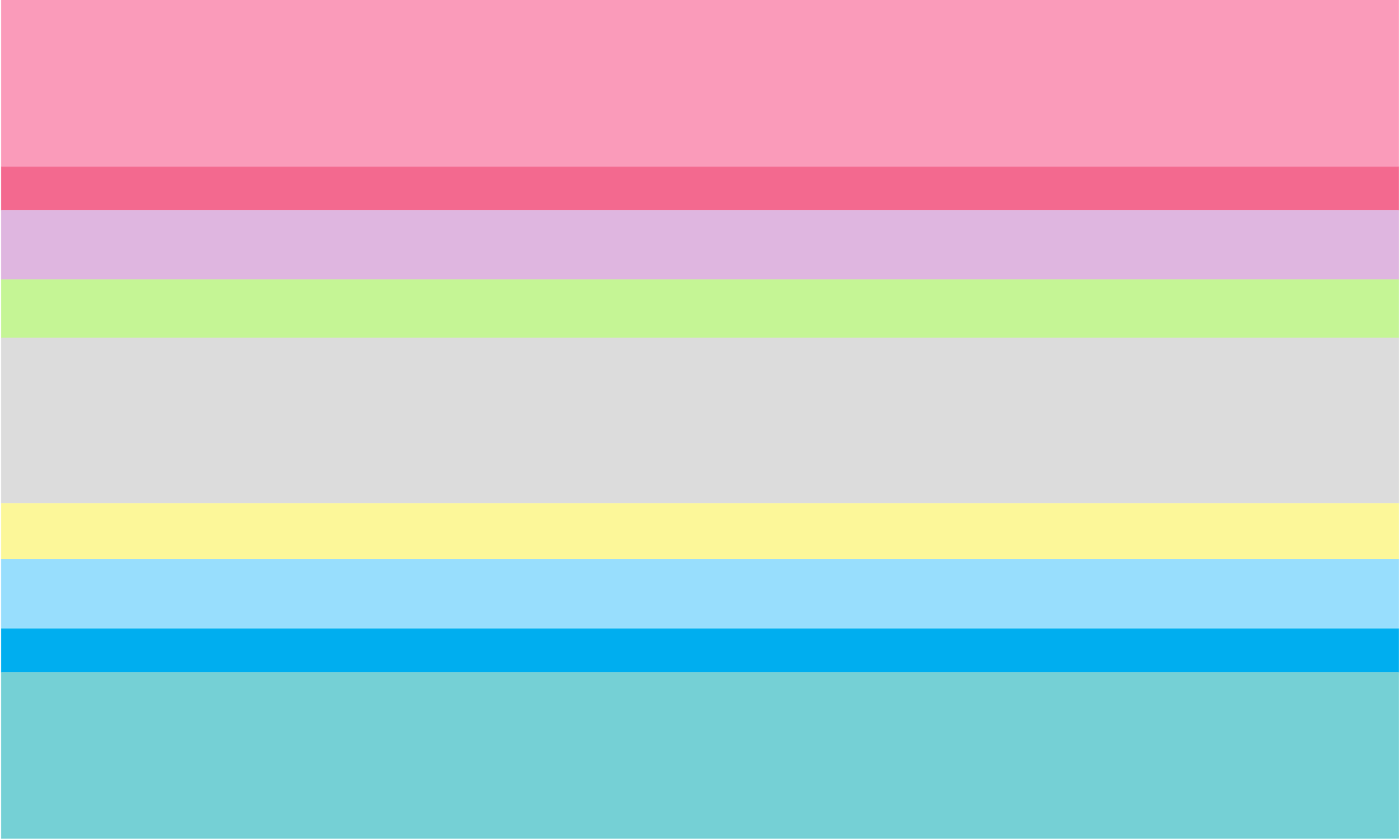
Gender identity
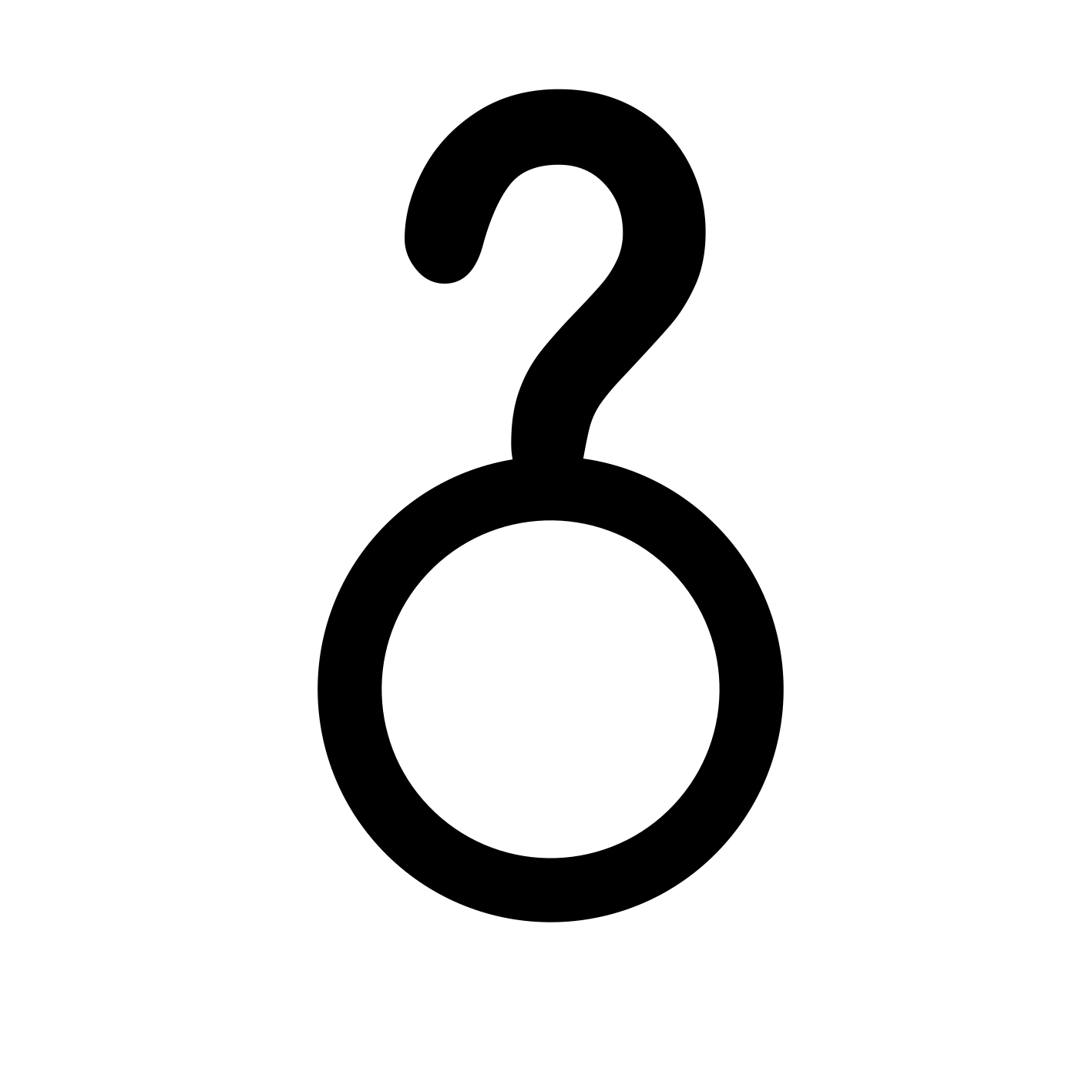
2010s
Timeline linkedA person who is exploring or unsure about their gender identity.
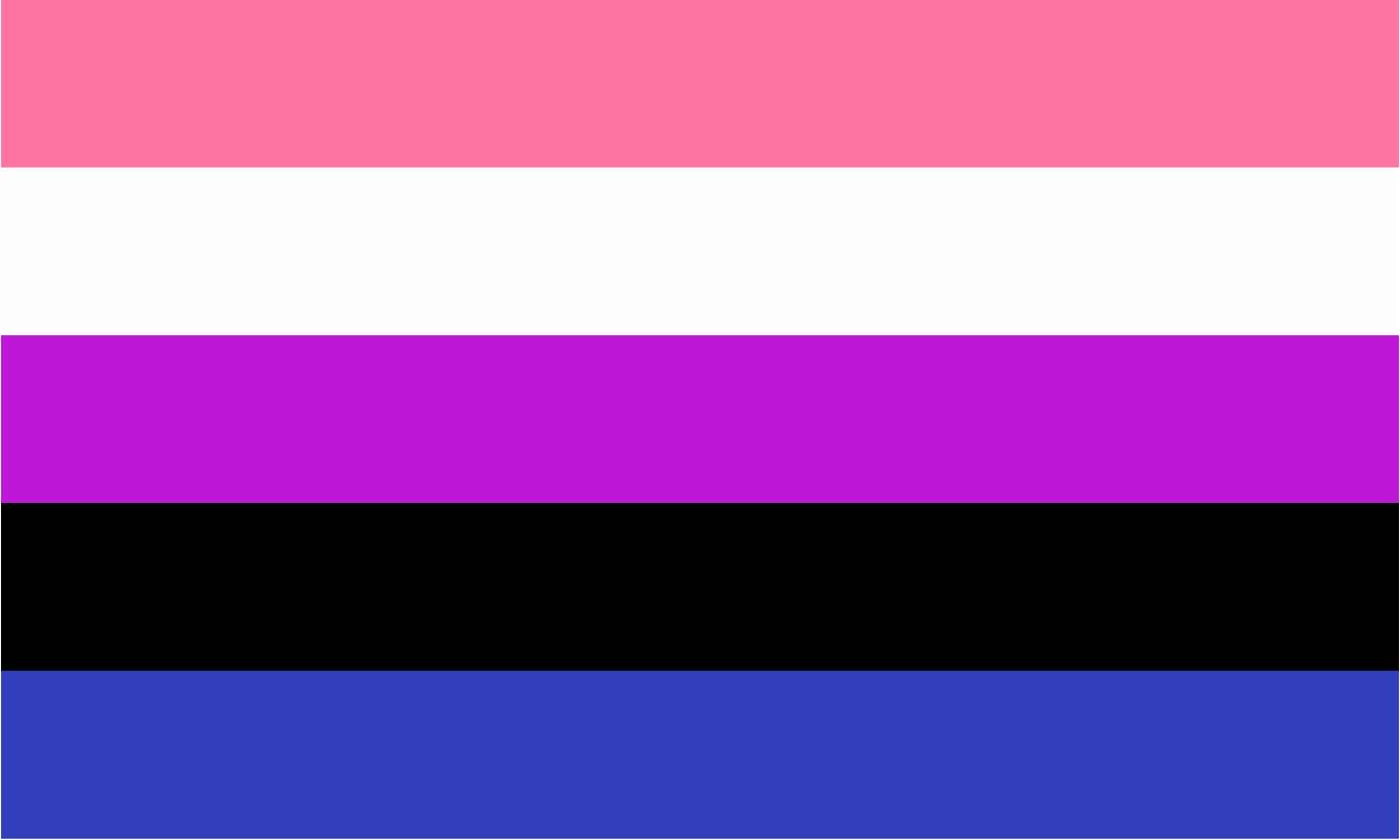
Gender identity
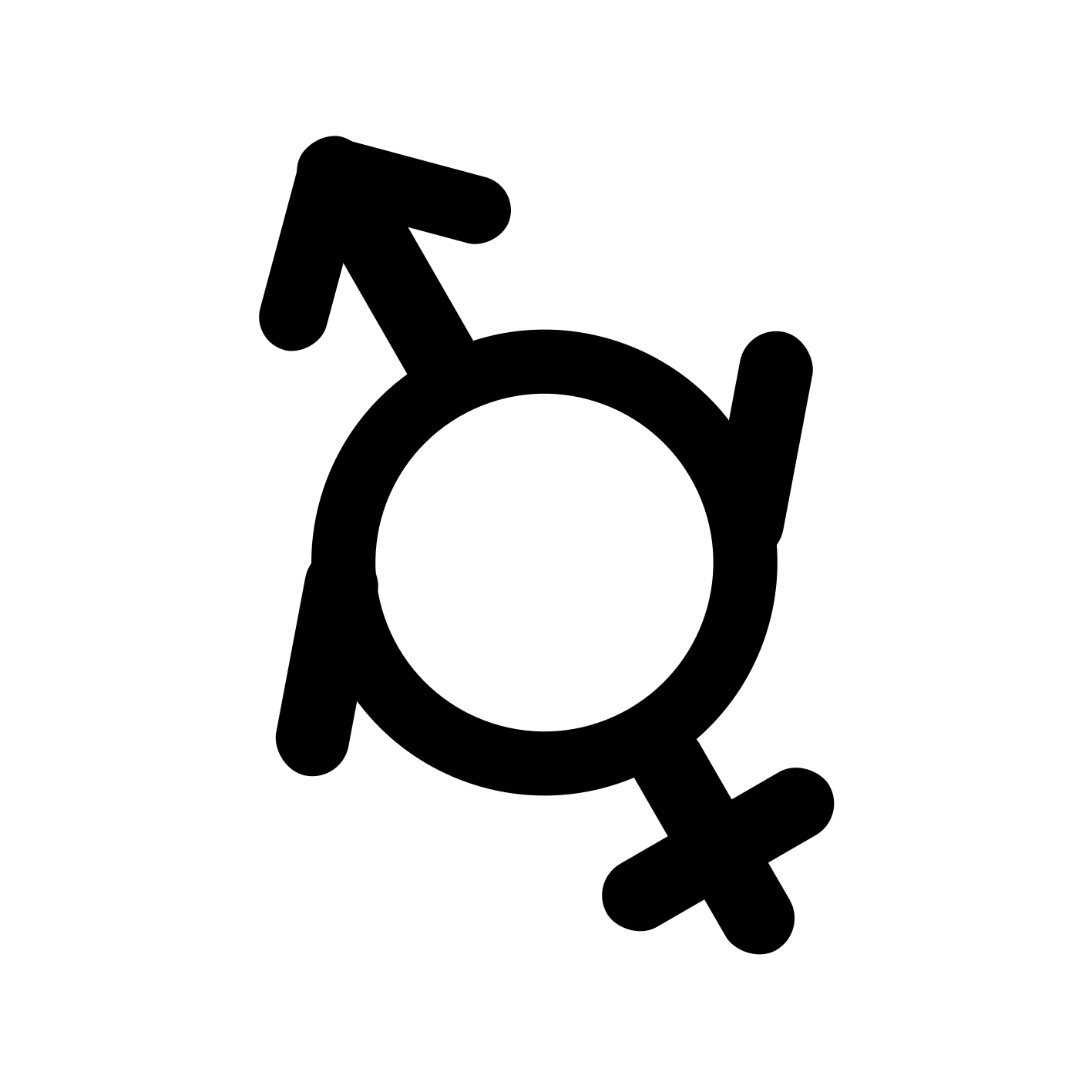
2012 · JJ Poole
Timeline linkedA person whose gender identity or expression shifts between genders.
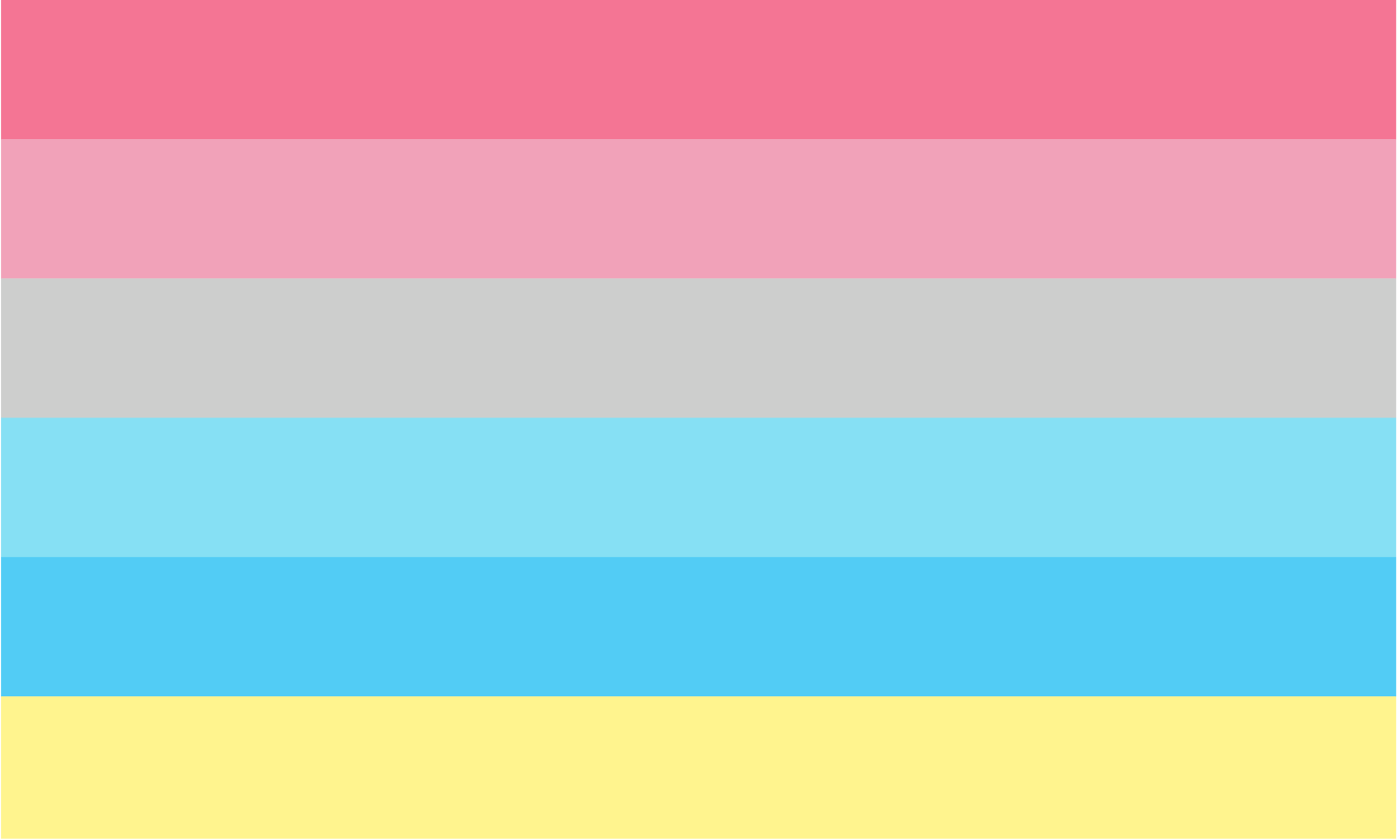
Gender identity
2010s
Timeline linkedA person whose gender identity fluctuates in intensity over time.
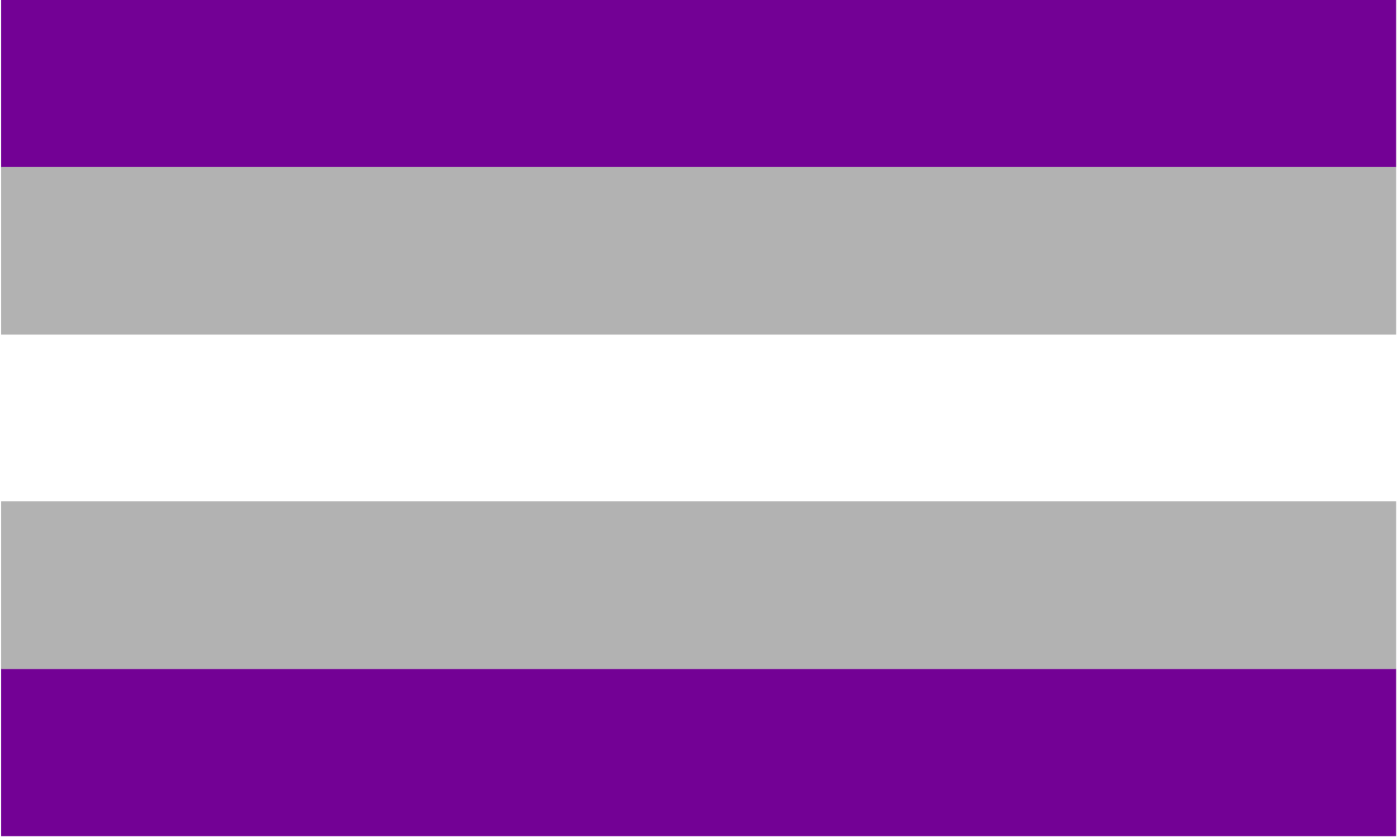
Sexual orientation
2010s
Timeline linkedA person who experiences sexual attraction infrequently or under specific circumstances.
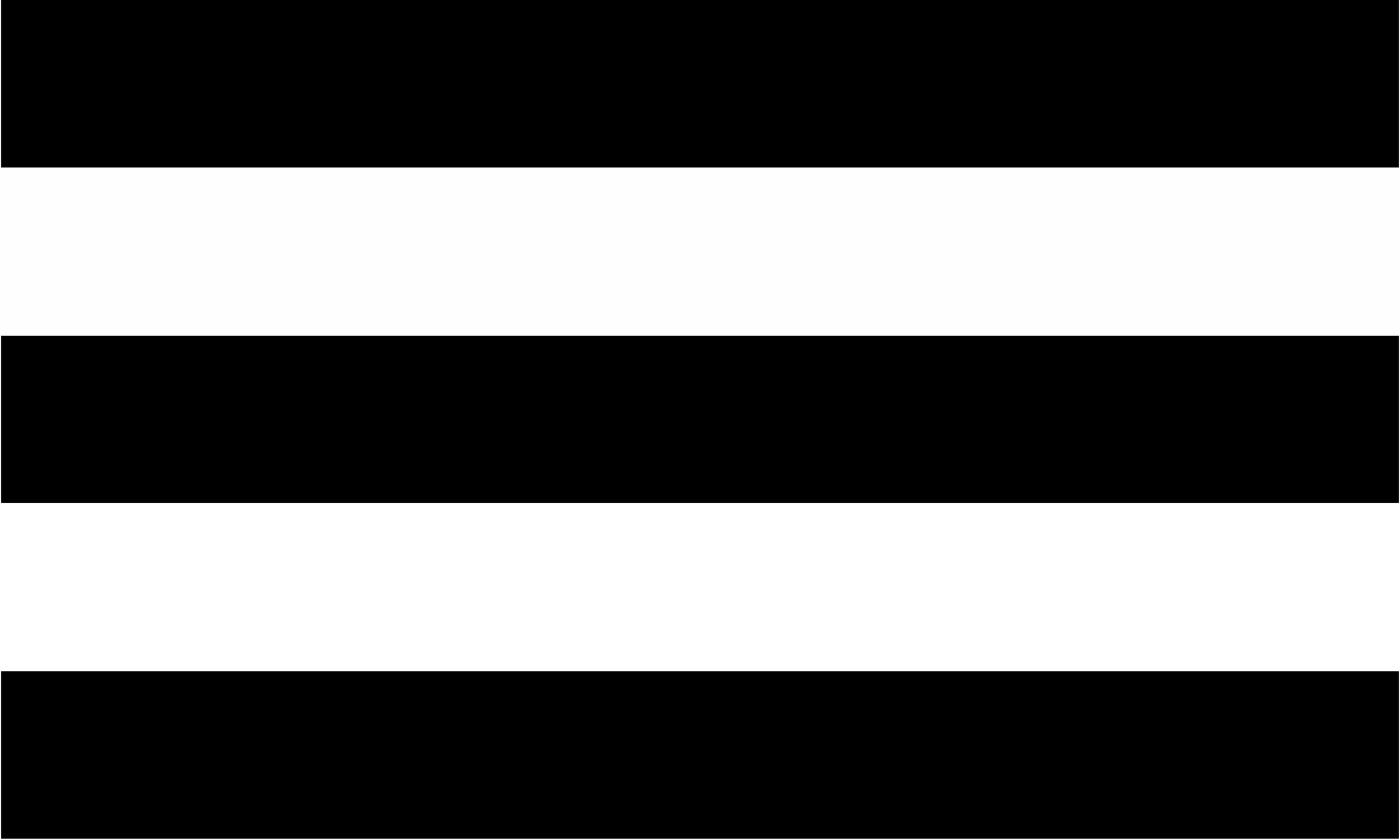
Sexual orientation
Modern straight-flag convention; exact creator unclear
A person who is attracted to people of the opposite gender.
Sex characteristics
2013 · Morgan Carpenter / Intersex Human Rights Australia
Timeline linkedA person born with physical sex characteristics that do not fit typical binary notions of male or female bodies.
Pride flag
2021 · Valentino Vecchietti
Timeline linkedValentino Vecchietti's 2021 intersex-inclusive evolution of the Progress Pride Flag.
Sexual orientation
2018 · Emily Gwen; five-stripe derivative widely used
Timeline linkedA flag used to represent lesbians: women and woman-aligned people who are attracted to women.
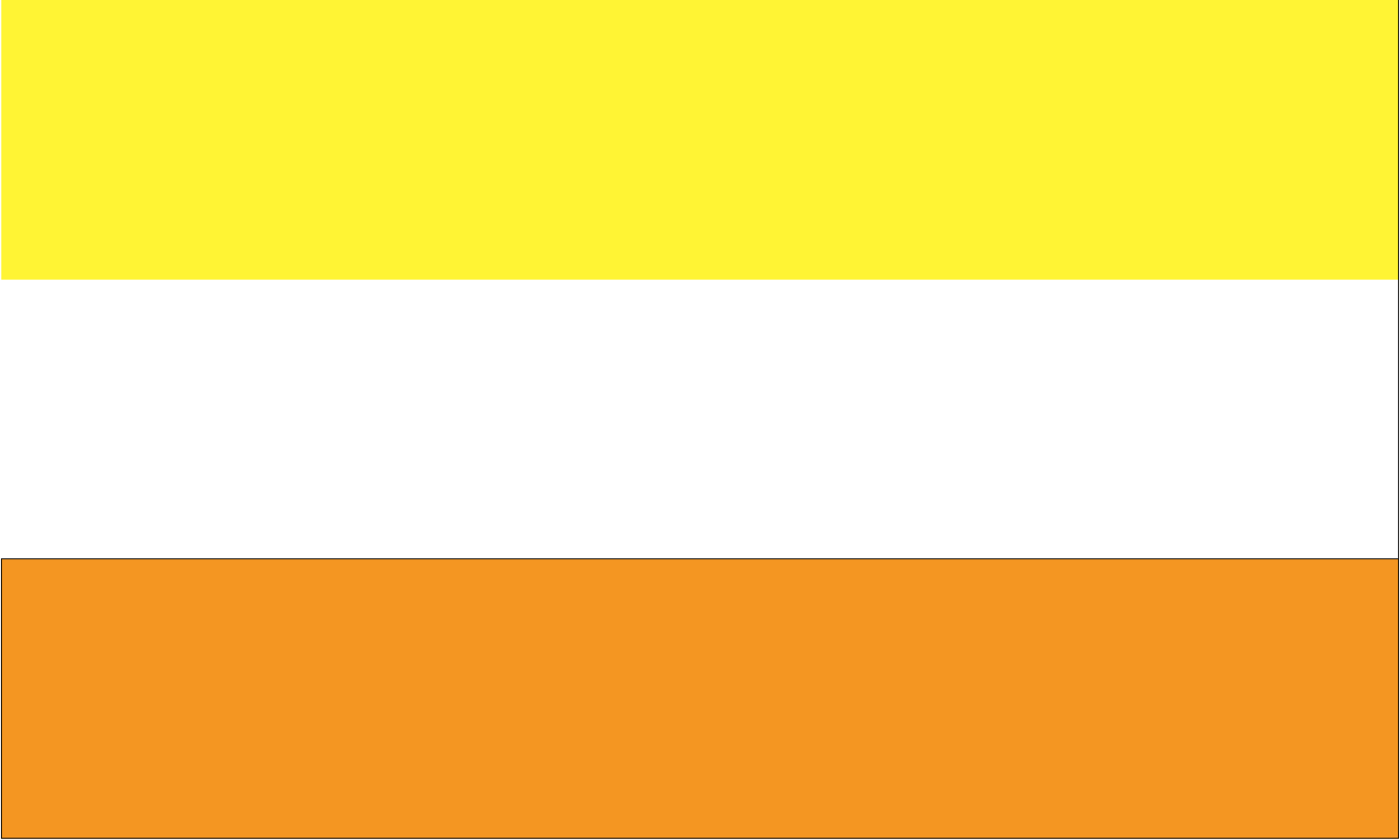
Gender identity
2014
Timeline linkedA person who identifies as a gender that is independent and different from male, female, or anything in between.
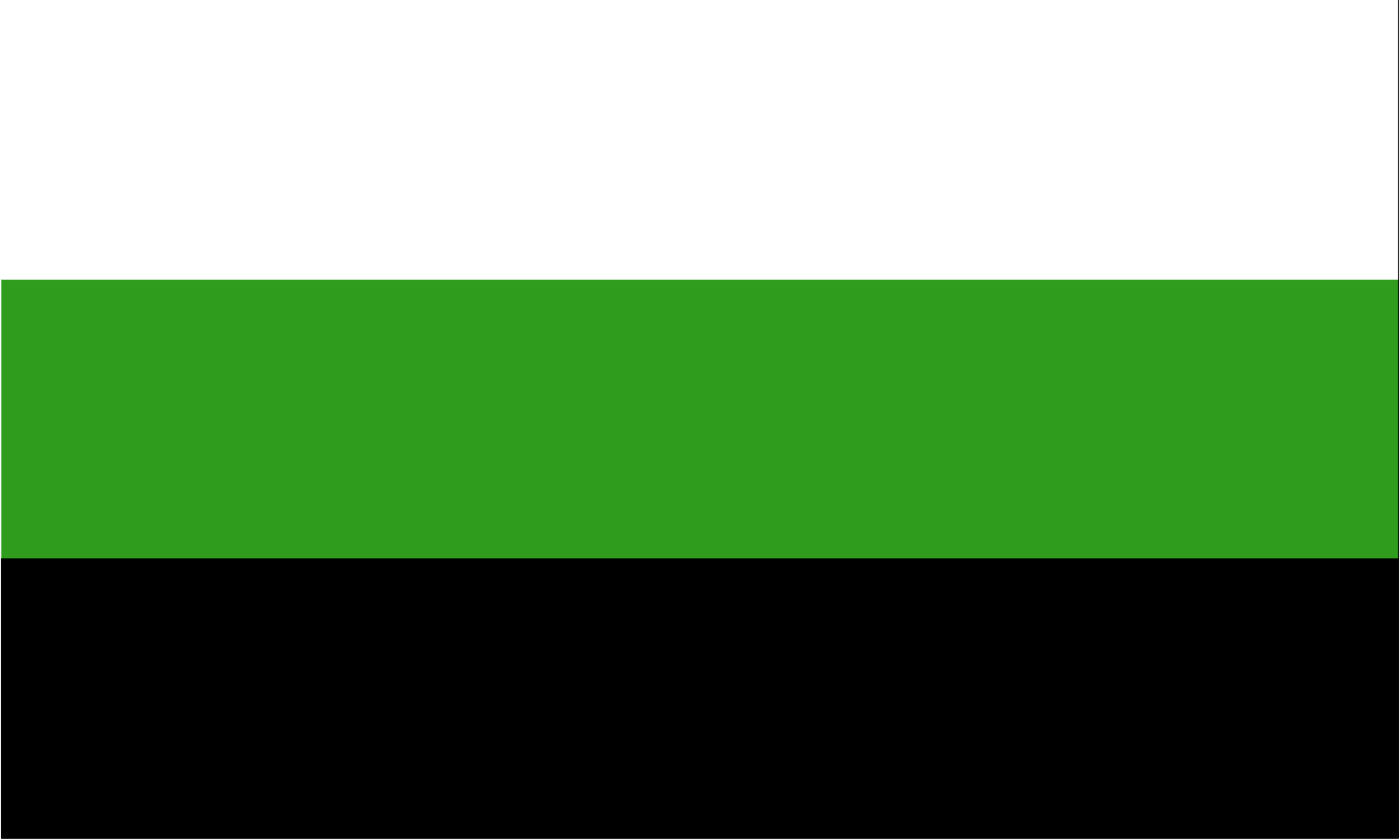
Gender identity
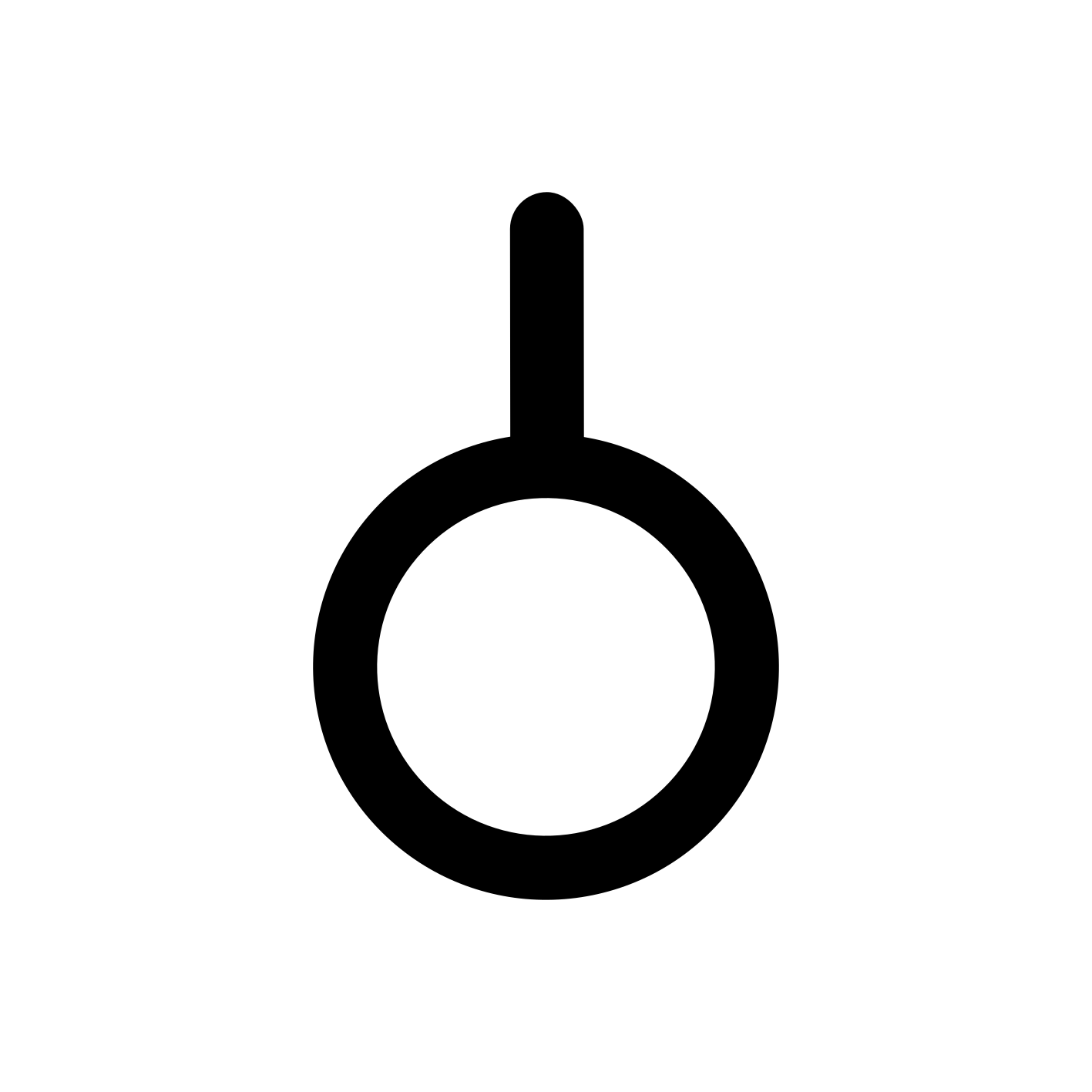
2010s
Timeline linkedA person who identifies as gender neutral or null-gender.
Gender identity
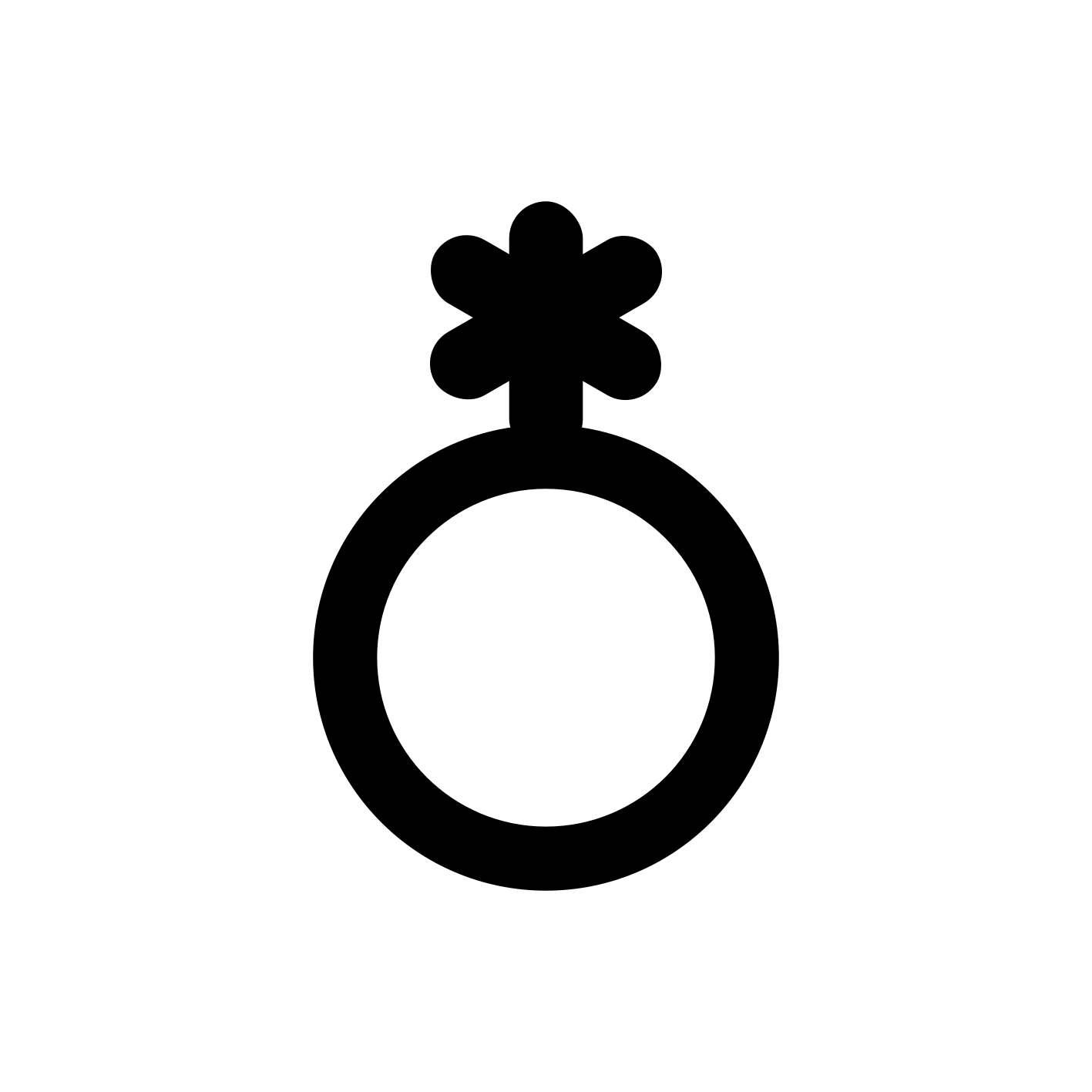
2014 · Kye Rowan
Timeline linkedA person who does not identify exclusively as male or female.
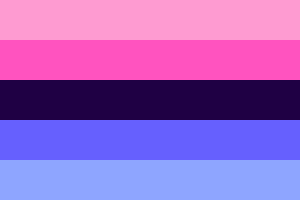
Sexual orientation
2015 · Tumblr user pastelmemer
Timeline linkedA person who may be attracted to people of all genders, with gender still forming part of how attraction is experienced.
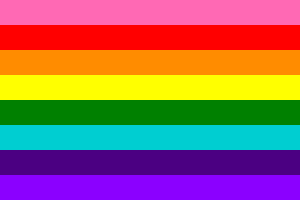
Pride flag
1978 · Gilbert Baker, with Lynn Segerblom, James McNamara and volunteers
Timeline linkedThe original eight-stripe rainbow Pride flag created for San Francisco Gay Freedom Day in 1978.
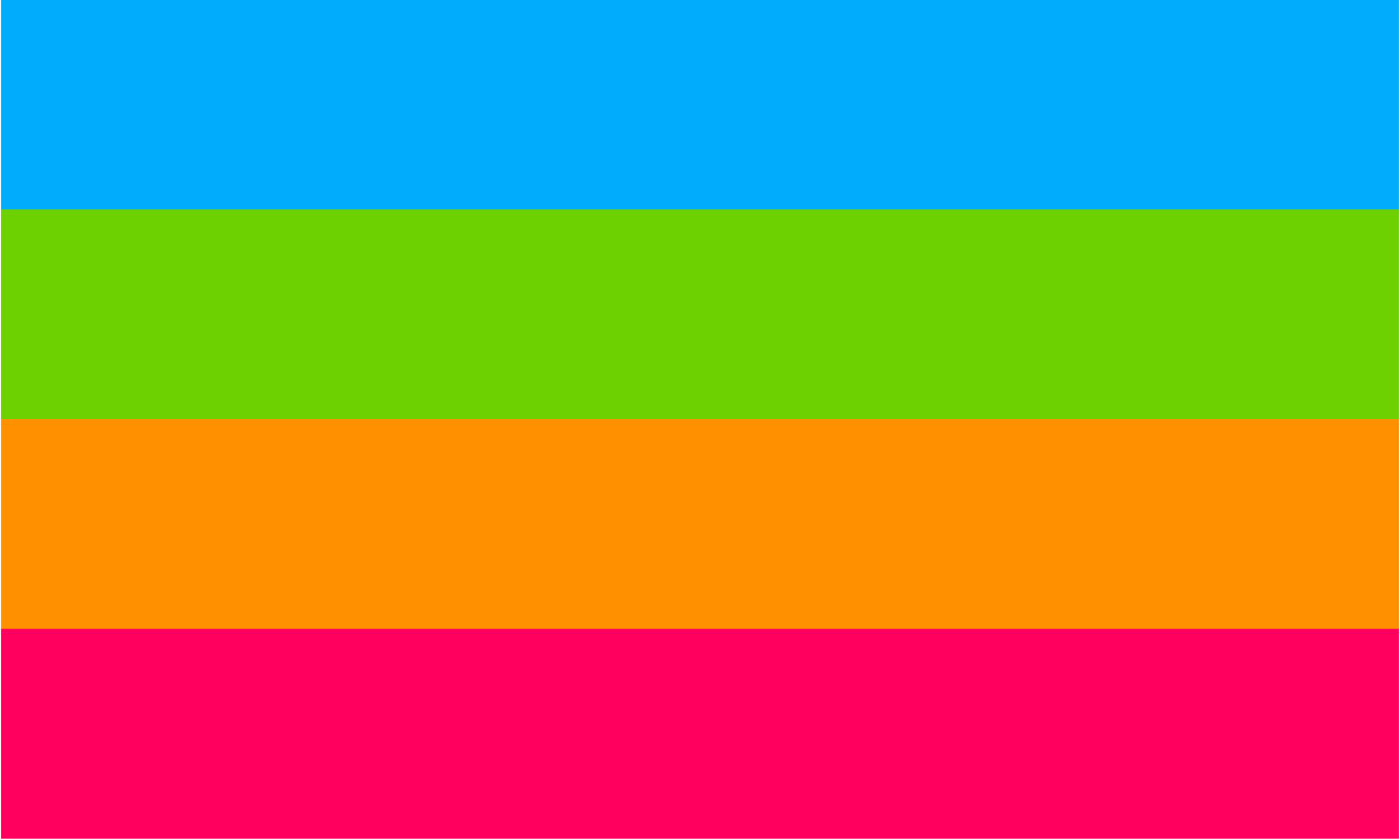
Romantic orientation
2010s
Timeline linkedA person who experiences romantic attraction to people of all genders.
Sexual orientation
2010 · Jasper V.
Timeline linkedA person who is attracted to others regardless of gender.
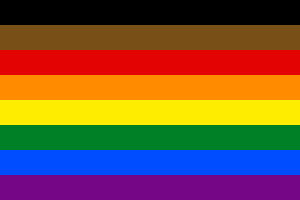
Race and inclusion
2017 · Philadelphia Office of LGBT Affairs / Tierney
Timeline linkedA rainbow Pride variant that adds black and brown stripes to recognise and affirm LGBTQ+ people of colour.
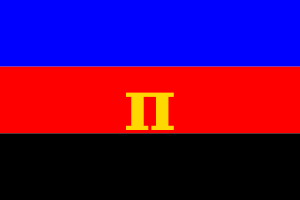
Relationship orientation
1995 · Jim Evans
Timeline linkedA person who practises or is open to consensual loving or intimate relationships with more than one partner.
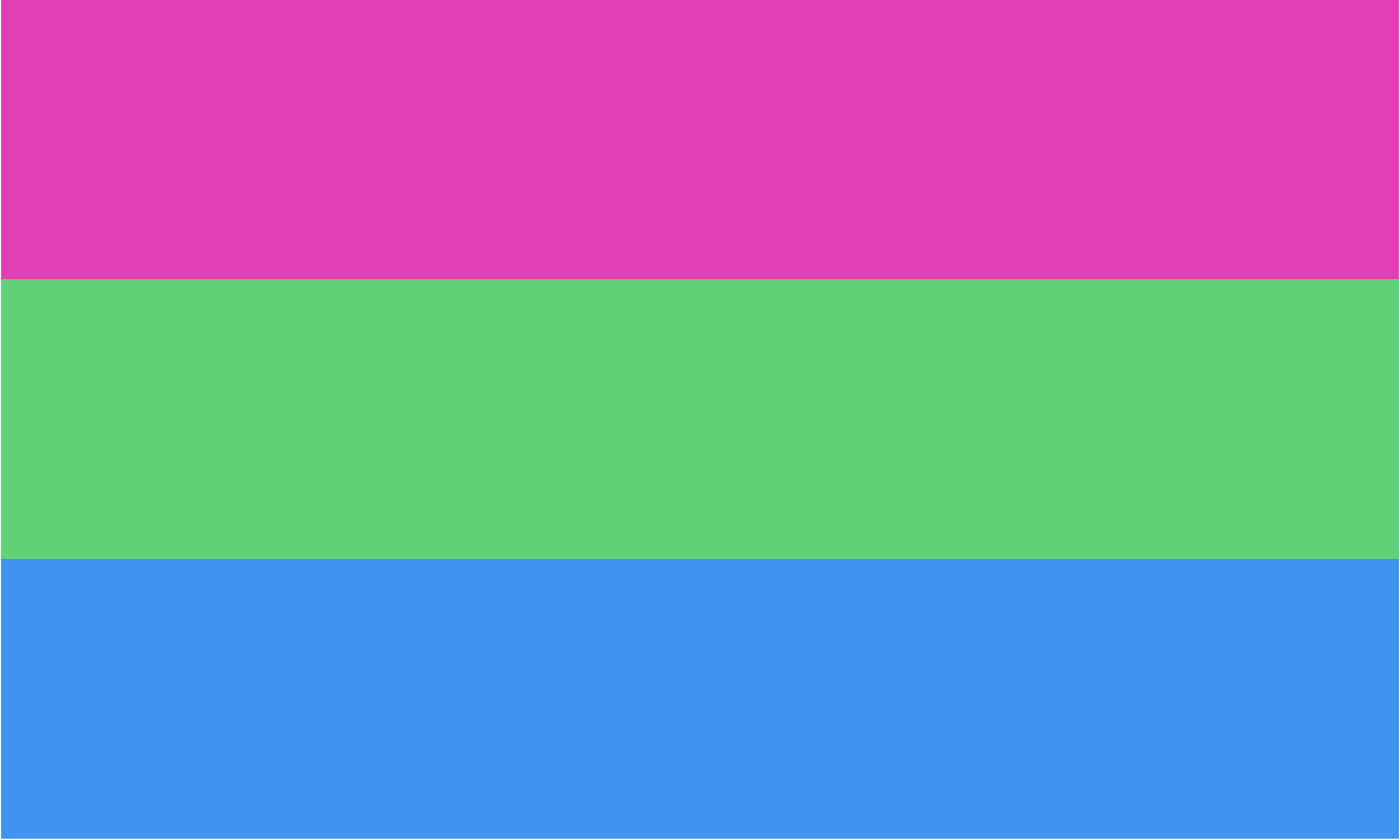
Sexual orientation
2012 · Tumblr user Samlin
Timeline linkedA person who is attracted to multiple, but not all, genders.
Pride flag
2018 · Daniel Quasar
Timeline linkedDaniel Quasar's 2018 Progress Pride Flag, adding a chevron for trans people, LGBTQ+ people of colour and forward movement.
Pride flag
1979 · Gilbert Baker, adapted from the 1978 rainbow flag
Timeline linkedThe widely recognised six-stripe Rainbow Pride flag standardised from 1979 after hot pink and turquoise were removed.
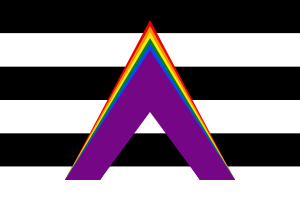
Allyship
2000s
Timeline linkedA flag used by straight allies to show visible support for LGBTQ+ people and equal rights.
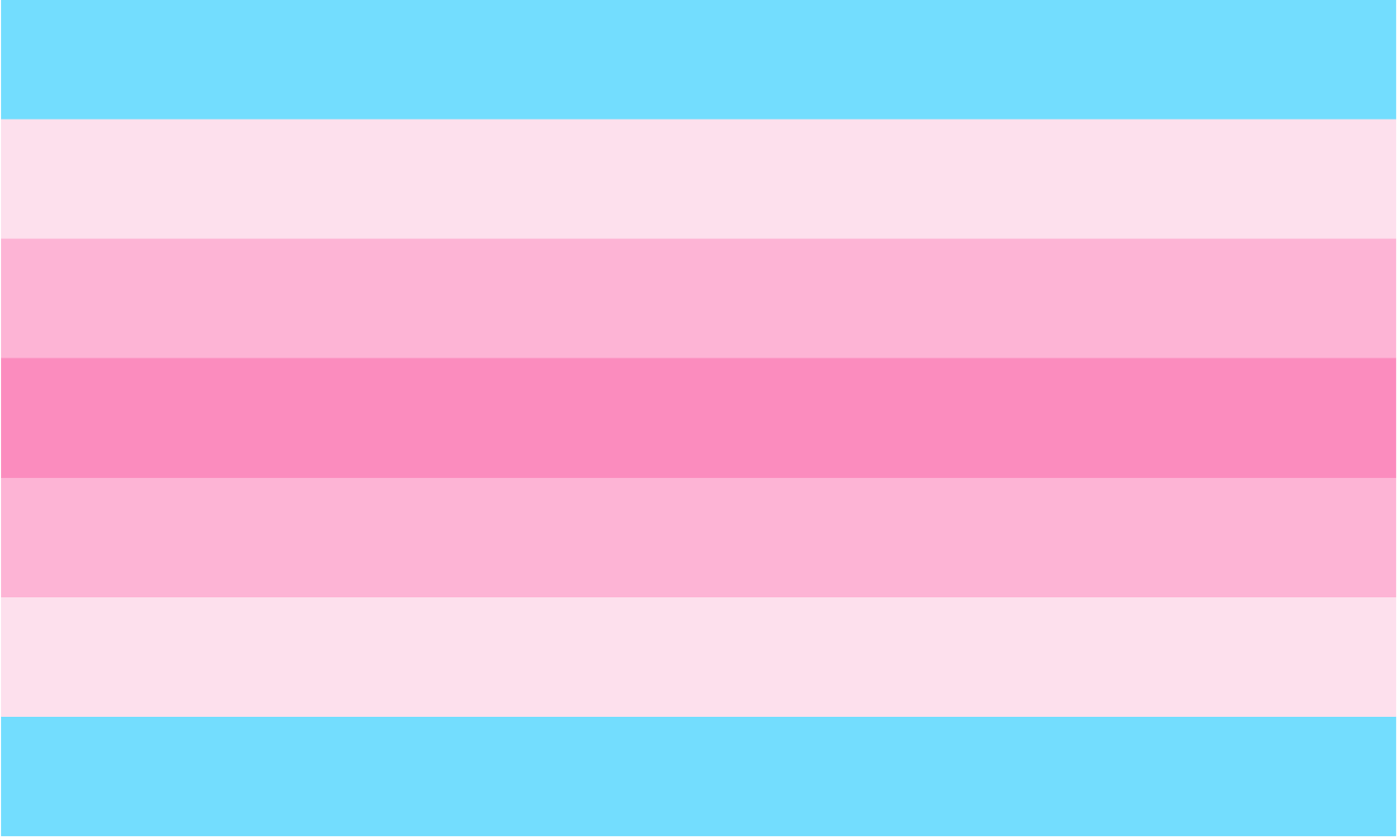
Gender identity
2010s
Timeline linkedA person who was assigned male at birth but identifies with femininity more than masculinity.
Gender identity
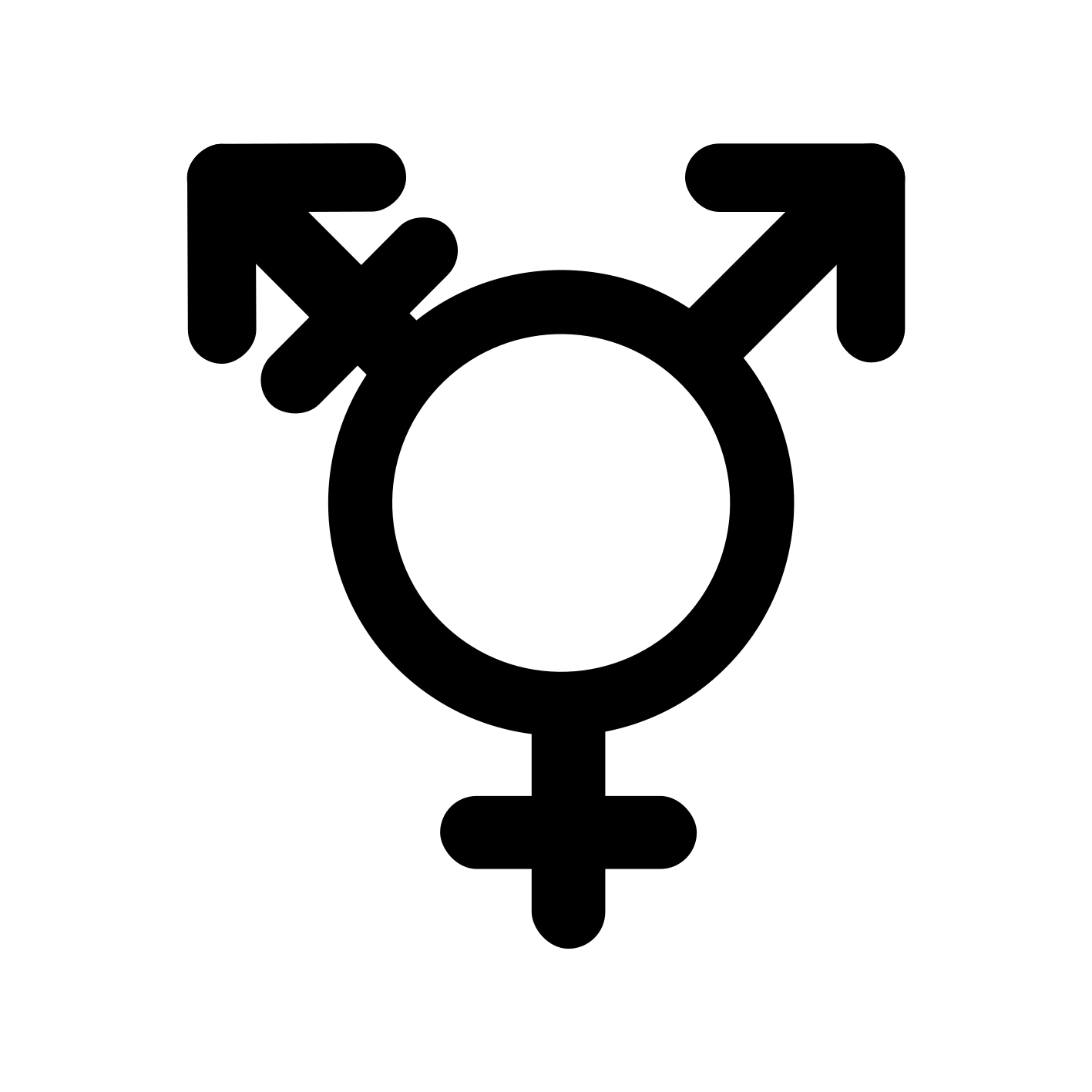
1999 · Monica Helms
Timeline linkedA person whose gender identity does not align with their assigned sex at birth.
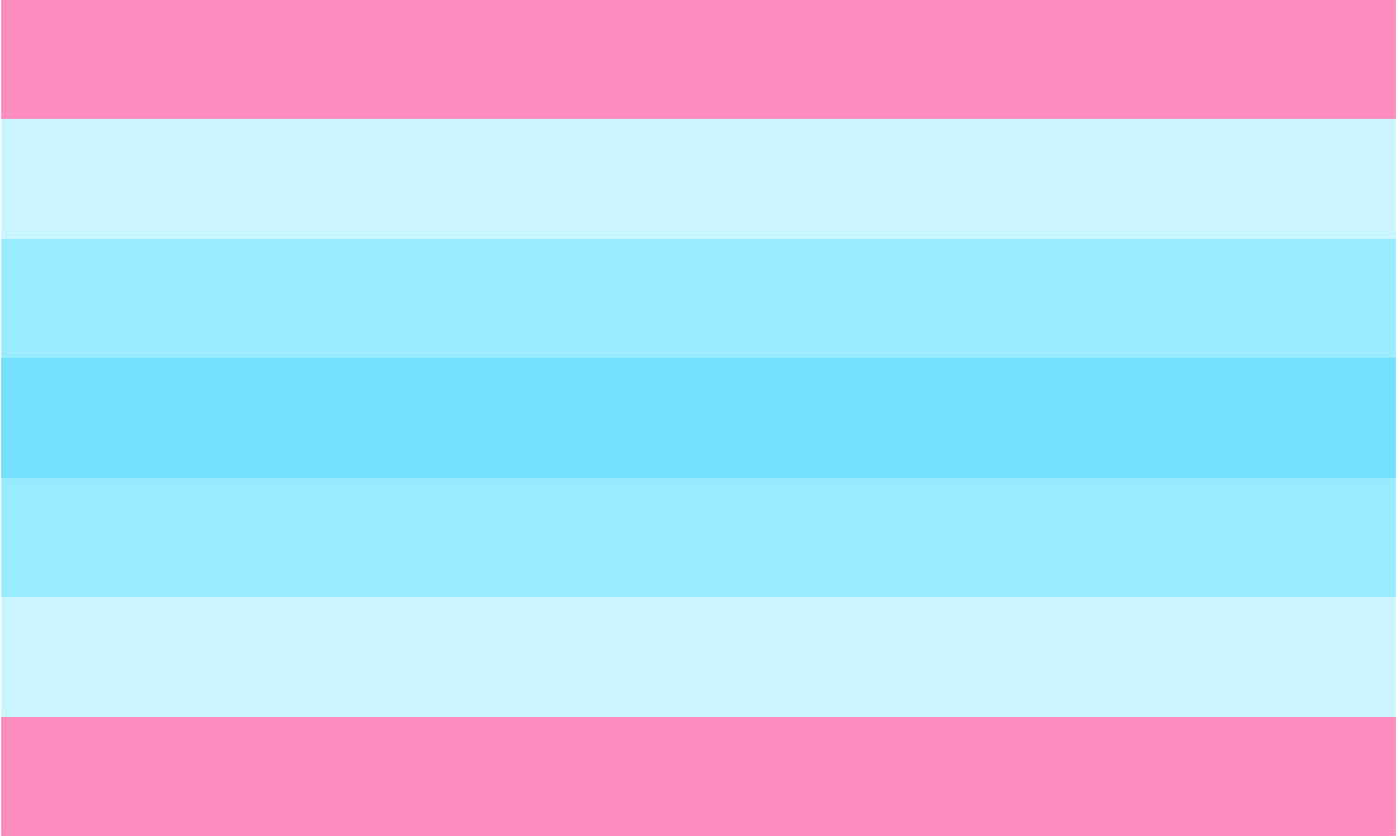
Gender identity
2010s
Timeline linkedA person who was assigned female at birth but identifies with masculinity more than femininity.
Glyph Library
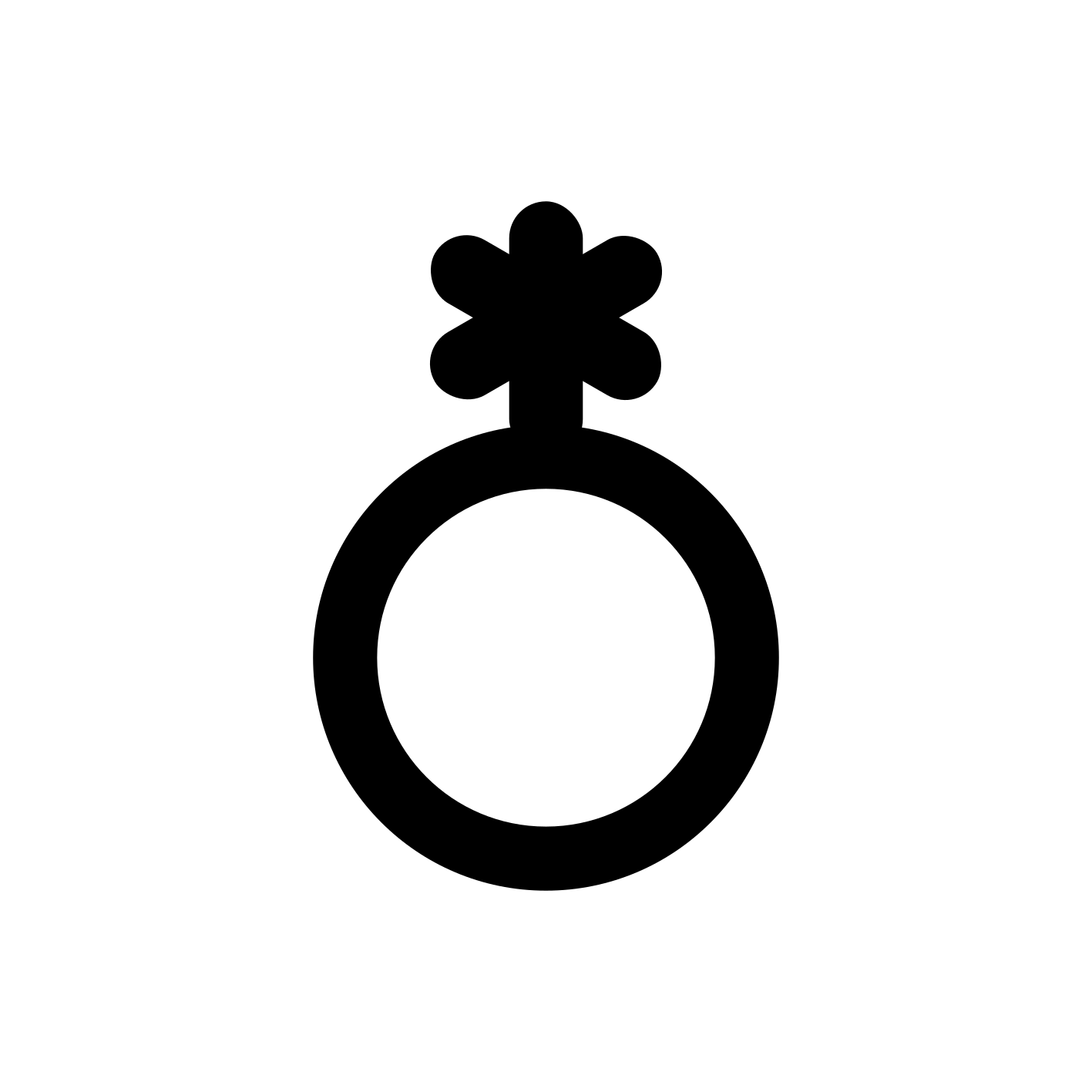
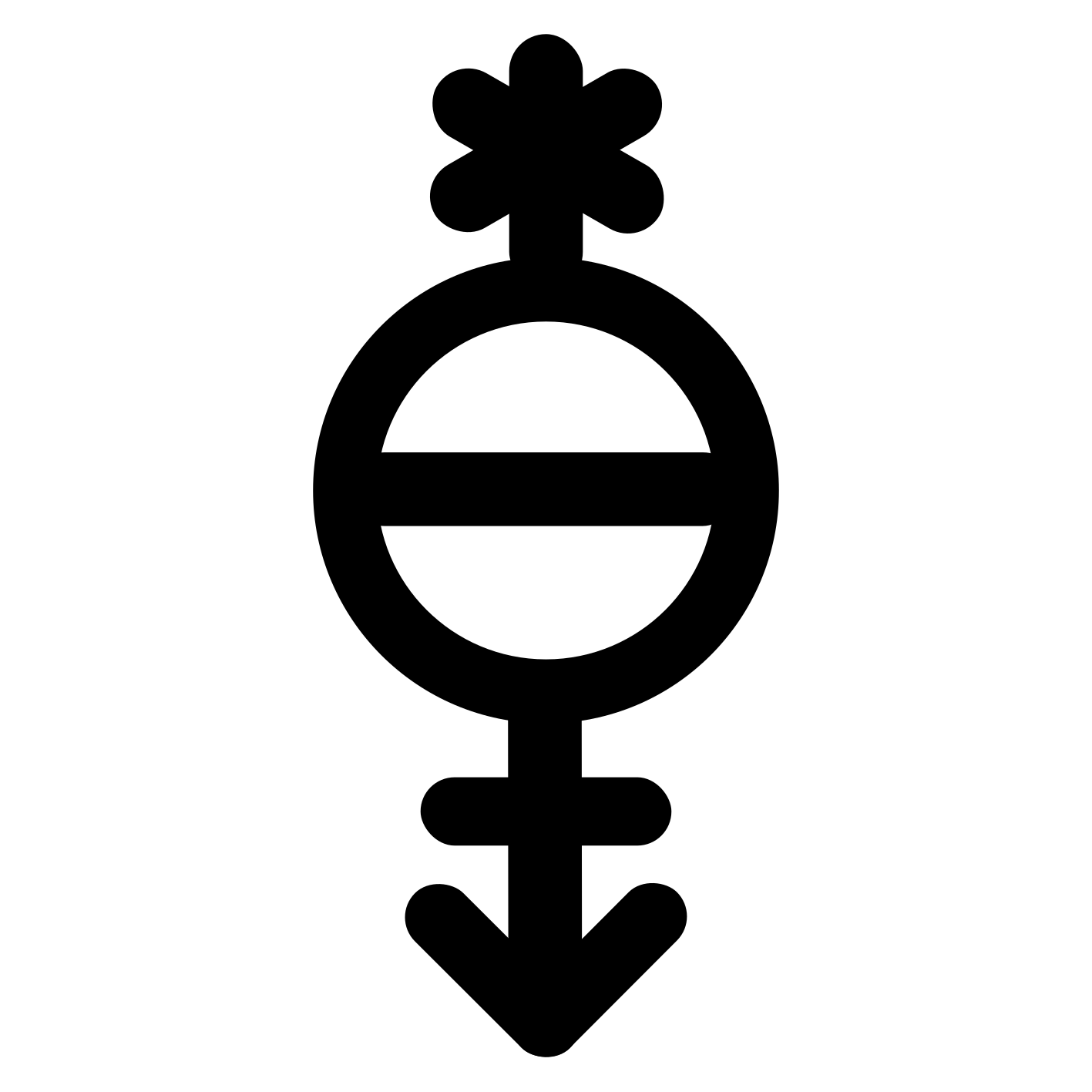
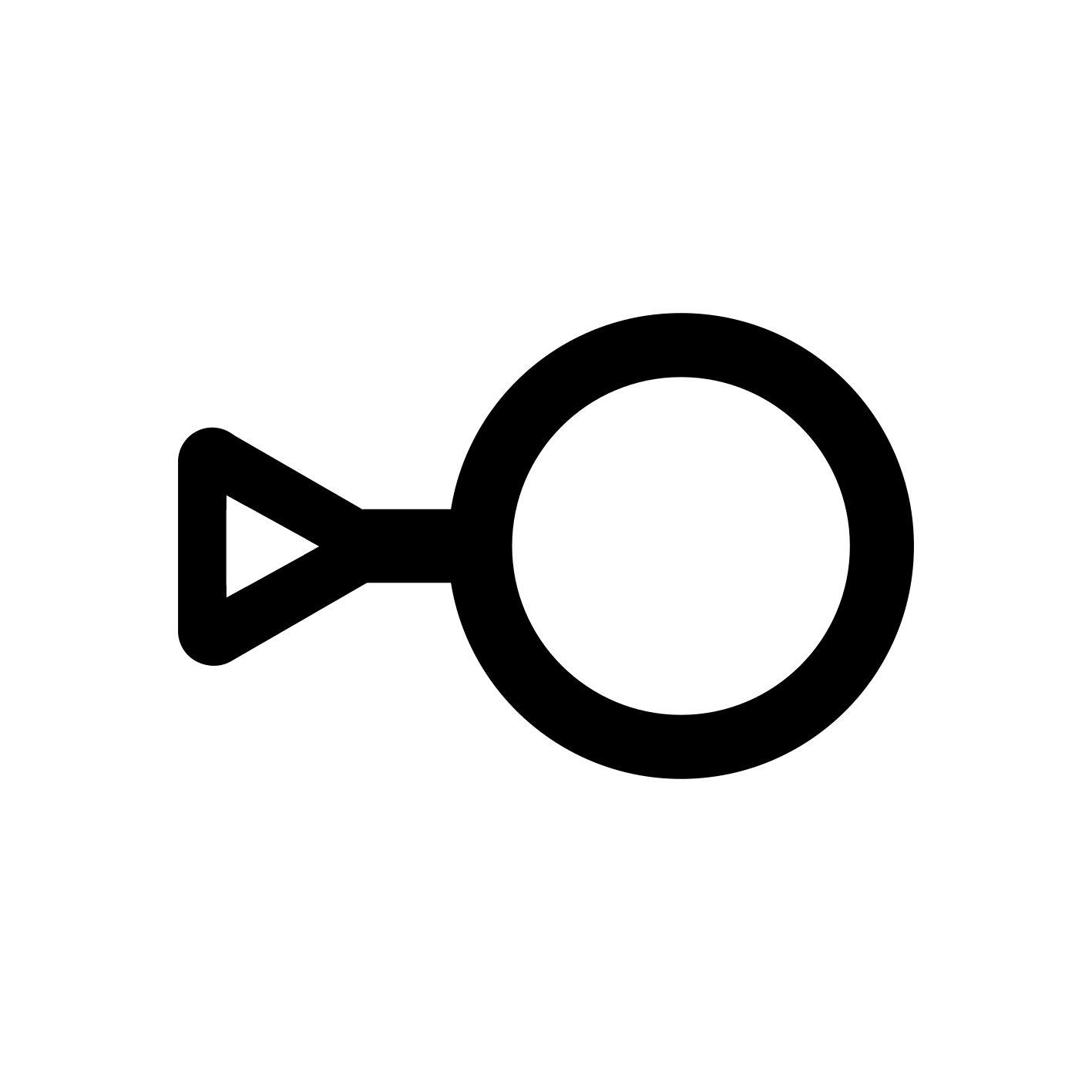
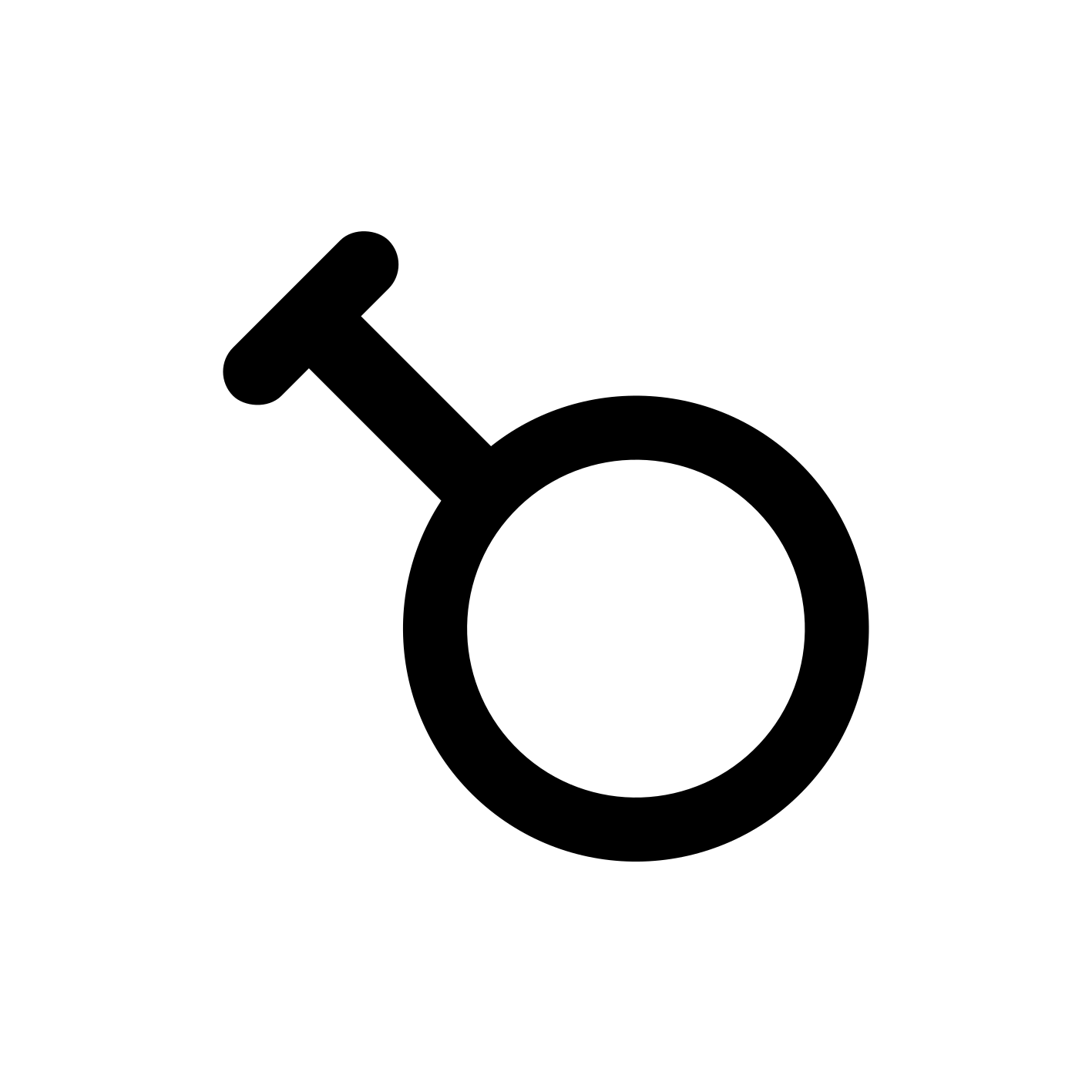
Standalone SVG glyphs for use alongside training materials, guides, and downloadable assets, with historical notes on the gender-symbol traditions behind linked records.
Agender Gender identity
SVG
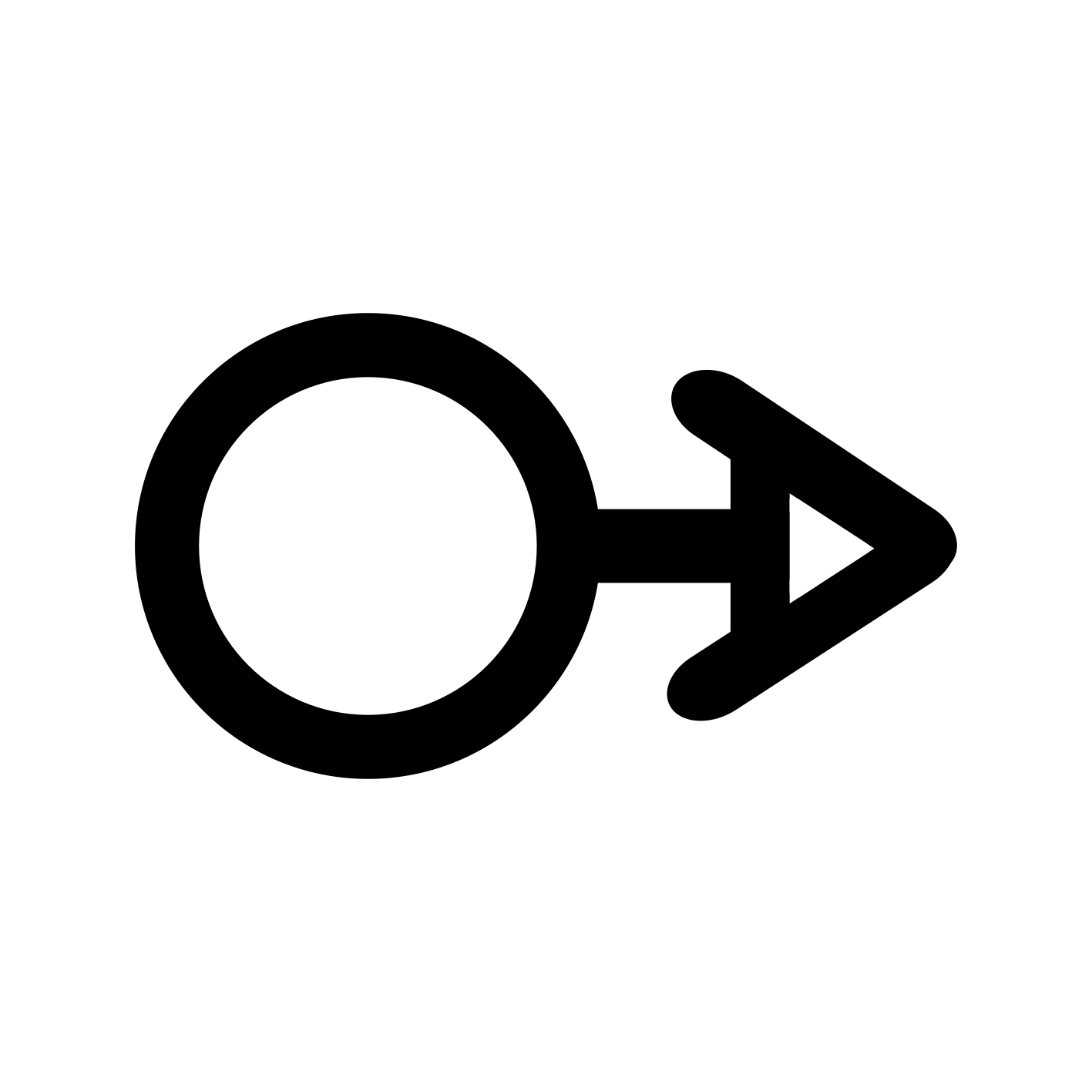 Aliagender
SVG
Androgyne Gender identity
SVG
Bigender Gender identity
SVG
Demiboy Gender identity
SVG
Aliagender
SVG
Androgyne Gender identity
SVG
Bigender Gender identity
SVG
Demiboy Gender identity
SVG
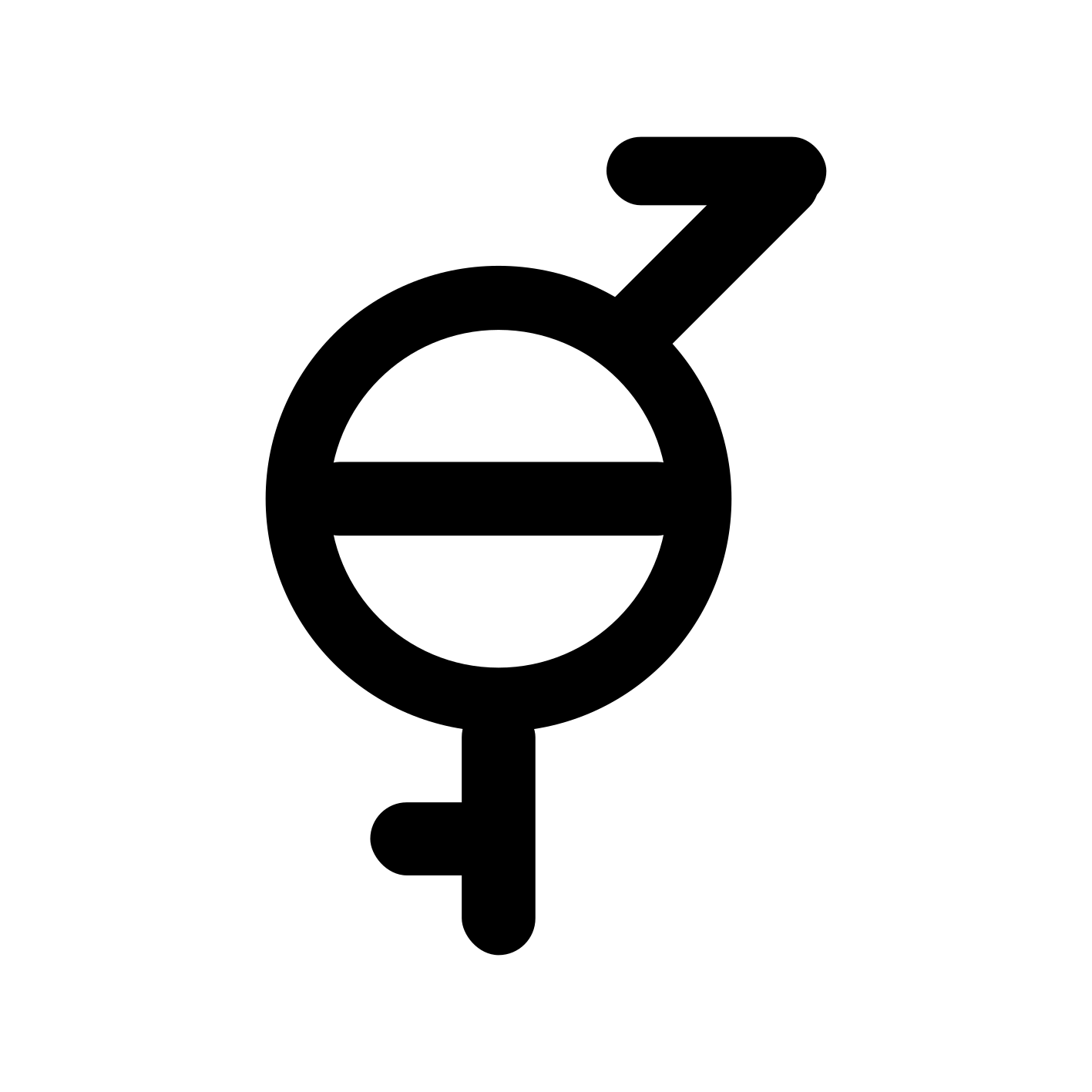 Demigender
SVG
Demigirl Gender identity
SVG
Demigender
SVG
Demigirl Gender identity
SVG
 Epicene
SVG
Epicene
SVG
 Female
SVG
Genderfluid Gender identity
SVG
Genderflux Gender identity
SVG
Female
SVG
Genderfluid Gender identity
SVG
Genderflux Gender identity
SVG
 Intergender
SVG
Intergender
SVG
 Male
SVG
Neutrois Gender identity
SVG
Male
SVG
Neutrois Gender identity
SVG
 Non Binary Gender identity
SVG
Nonbinary Gender identity
SVG
Non Binary Gender identity
SVG
Nonbinary Gender identity
SVG
 Pangender
SVG
Questioning Gender identity
SVG
Pangender
SVG
Questioning Gender identity
SVG
 Third Gender
SVG
Transgender Gender identity
SVG
Third Gender
SVG
Transgender Gender identity
SVG
 Transvesti
SVG
Transvesti
SVG
From Shadows to Pride — UK & Global LGBTQIA+ History
This interactive timeline documents over 200 years of LGBTQIA+ history, with a focus on the UK while recognising the global milestones that shaped the movement worldwide. From the brutal criminalisation of the 1800s through the AIDS crisis, decriminalisation battles, and marriage equality victories — these events represent the courage, resilience, and activism of LGBTQIA+ communities and their allies.
Designed as an educational resource for classrooms, workshops, and anyone seeking to understand this vital history. Available offline as a Progressive Web App.

Joanne Lockwood
Inclusive Culture Expert, keynote speaker, author, and founder of SEE Change Happen. Joanne specialises in inclusion, belonging, and transgender awareness — working with organisations to create cultures where everyone can thrive.
Filter
By category to focus on specific themes
Navigate
Jump to a specific era or decade
Search
Find events, people, or topics
Explore
Click any card for the full story
Built with care as an open educational resource · Content researched and verified from multiple historical sources