Gender identity
Gender Queer Pride Flag
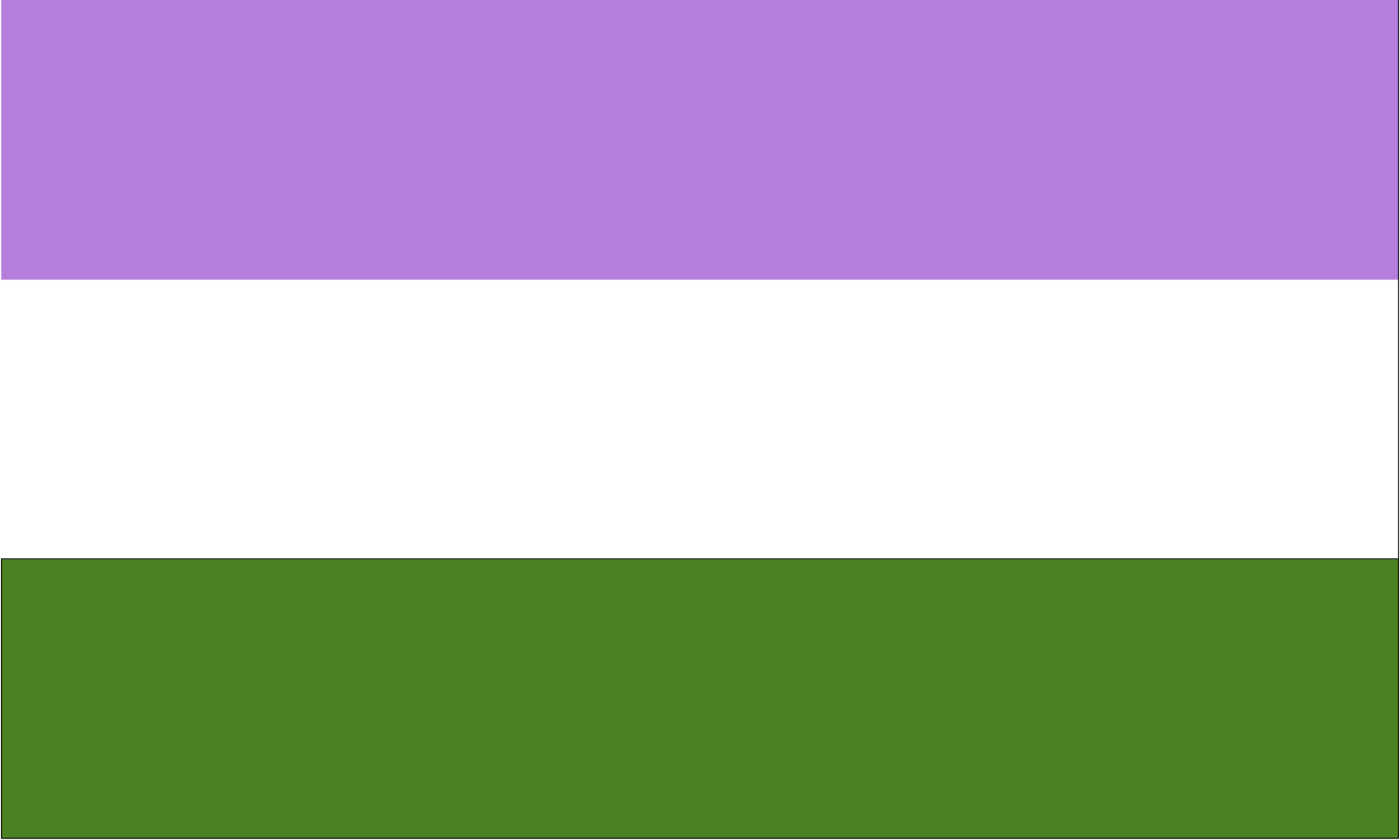
What does this flag represent?
A person who rejects traditional gender distinctions and may identify as both, neither, or a mix of genders.
Colour Palette
Downloads
How to cite or reuse this flag
Source status
Use this page as the guide, then cite the provenance, symbolism and glyph sources listed below.
Attribution
Check source confidence before naming a designer or claiming a single origin story.
Educator use
For educator and inclusion materials, pair the SVG with the meaning, source confidence and context notes.
Design Symbolism
Lavender combines pink and blue while drawing on queer lavender history; white marks agender and neutral identities; green is the inverse of lavender and points beyond the binary.
Layout: 3 horizontal colour bands, read from top to bottom in the public asset.
- Lavender
- Androgyny, queerness and mixture of binary-coded colours.
- White
- Agender or neutral gender.
- Green
- Nonbinary identities outside the lavender/pink/blue frame.
Story and Usage Notes
Genderqueer individuals challenge traditional gender norms and may identify as a mix of genders, both genders, or neither. This identity is inherently fluid and emphasies the rejection of binary gender categories. Genderqueer people may express their gender in various ways, often blending elements of masculinity and femininity. The genderqueer identity highlights the diversity and complexity of gender, advocating for a broader understanding beyond binary frameworks. It underscores the importance of personal agency in defining one's gender and stresses the value of inclusivity and recognition of all gender experiences.
Timeline Connections
Origin and Provenance
- Introduced
- 2011
- Designer / attribution
- Marilyn Roxie
- Source confidence
- high
Created to represent genderqueer and nonbinary people through a compact three-colour design.
The lavender, white and green meanings are documented in widely cited flag histories.