Sexual orientation
Heterosexual Pride Flag
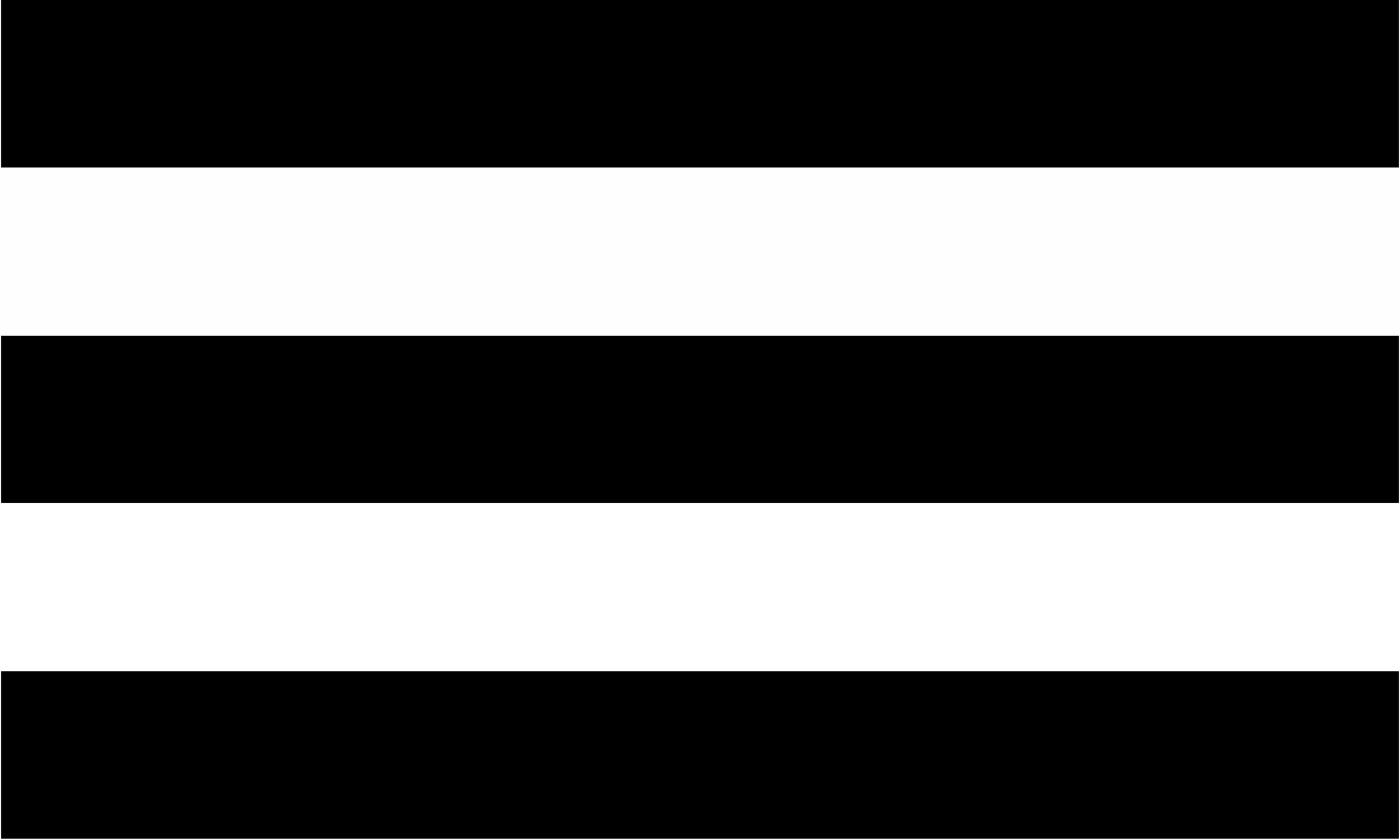
What does this flag represent?
A person who is attracted to people of the opposite gender.
Colour Palette
Downloads
How to cite or reuse this flag
Source status
Use this page as the guide, then cite the provenance, symbolism and glyph sources listed below.
Attribution
Check source confidence before naming a designer or claiming a single origin story.
Educator use
For educator and inclusion materials, pair the SVG with the meaning, source confidence and context notes.
Design Symbolism
The alternating black and white stripes work as a restrained contrast to rainbow Pride colours and are often repurposed as the field behind ally symbols.
Layout: Alternating black and white horizontal stripes.
- Black and white bands
- Heterosexuality or straight identity in a minimal, non-rainbow palette.
Design sources
Story and Usage Notes
Heterosexual individuals are attracted to people of the opposite gender. This is the most commonly recognied sexual orientation and is often considered the societal norm. Heterosexuality can involve romantic and/or sexual attraction, and it plays a significant role in many cultural and social frameworks. Despite being the majority orientation, it is important to understand heterosexuality within the broader context of diverse sexual orientations. Acknowledging and respecting all sexual orientations fosters inclusivity and a more comprehensive understanding of human sexuality.
Origin and Provenance
- Introduced
- Modern straight-flag convention; exact creator unclear
- Designer / attribution
- Unknown
- Source confidence
- medium
Used as a simple black-and-white heterosexuality marker, often in contrast with rainbow Pride symbolism or inside ally designs.
This flag is not an LGBTQ+ liberation symbol in the same way as community pride flags; context should distinguish identity marking from allyship.