Gender identity
Transmasculine Pride Flag
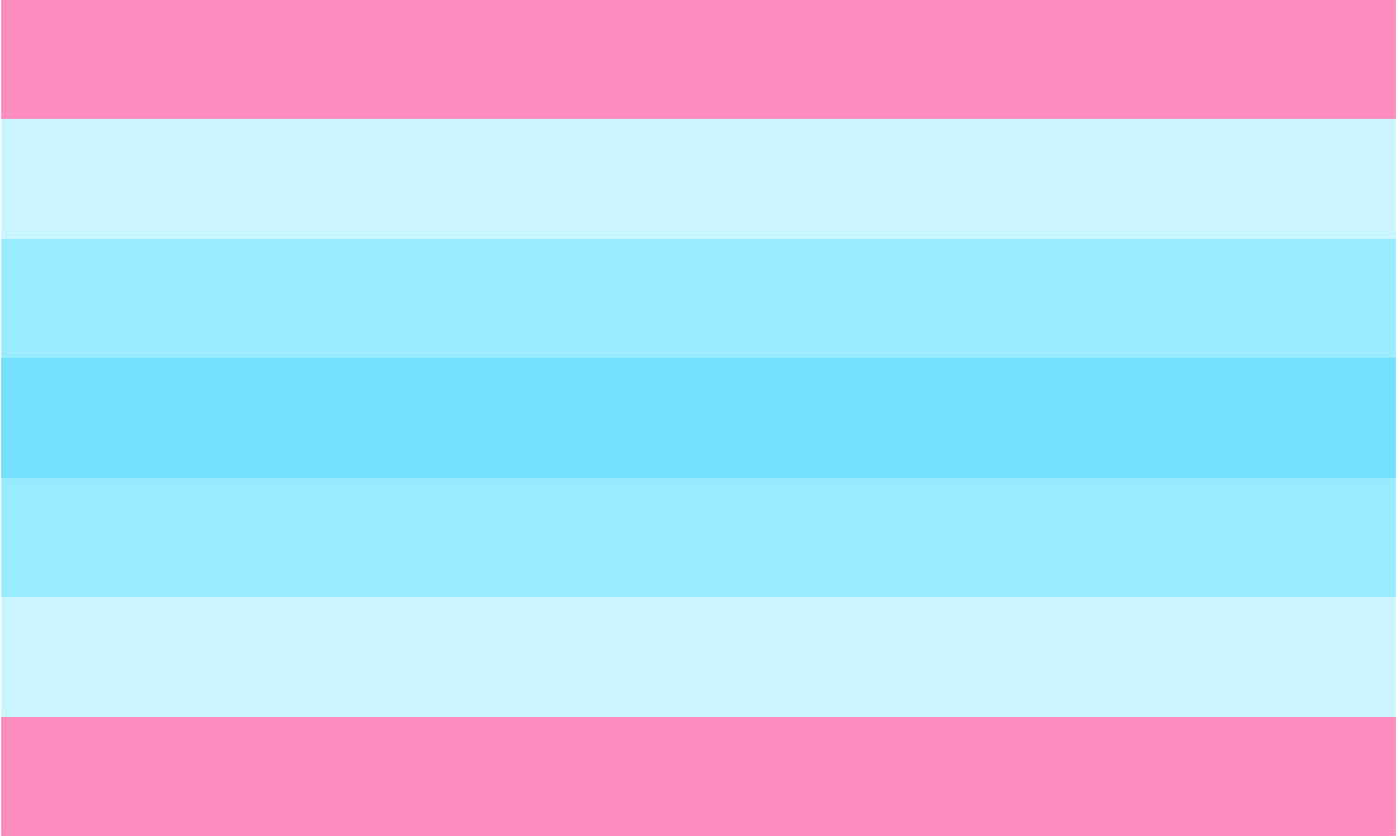
What does this flag represent?
A person who was assigned female at birth but identifies with masculinity more than femininity.
Colour Palette
Downloads
How to cite or reuse this flag
Source status
Use this page as the guide, then cite the provenance, symbolism and glyph sources listed below.
Attribution
Check source confidence before naming a designer or claiming a single origin story.
Educator use
For educator and inclusion materials, pair the SVG with the meaning, source confidence and context notes.
Design Symbolism
The flag keeps trans pink and white reference points while centring blue tones to foreground masculine alignment or transition toward masculinity.
Layout: 7 horizontal colour bands, read from top to bottom in the public asset.
- Pink
- Connection to the wider trans flag and gender transition language.
- White
- Nonbinary, transitioning or gender-expansive space.
- Blue tones
- Masculinity and transmasculine identity.
Story and Usage Notes
Transmasculine individuals were assigned female at birth but identify more with masculinity than femininity. This identity can encompass a range of experiences, from partial to complete transition towards a masculine gender identity. Transmasculine people may express their masculinity through changes in appearance, behavior, and possibly medical interventions like hormone replacement therapy (HRT) or surgeries. Their journey is deeply personal and can involve significant social and emotional transitions. Supporting transmasculine individuals means recognizing their diverse experiences, advocating for their rights, and providing access to resources that affirm their gender identity, ultimately fostering a more inclusive society.
Timeline Connections
Origin and Provenance
- Introduced
- 2010s; exact creator unclear
- Designer / attribution
- Unknown community derivative
- Source confidence
- low
Adapts Monica Helms's trans pride colour language for people whose gender is wholly or partly masculine.
The trans parent flag is strongly documented; this transmasculine design is presented cautiously because the derivative creator trail is not comparably settled.