Gender identity
Bigender Pride Flag
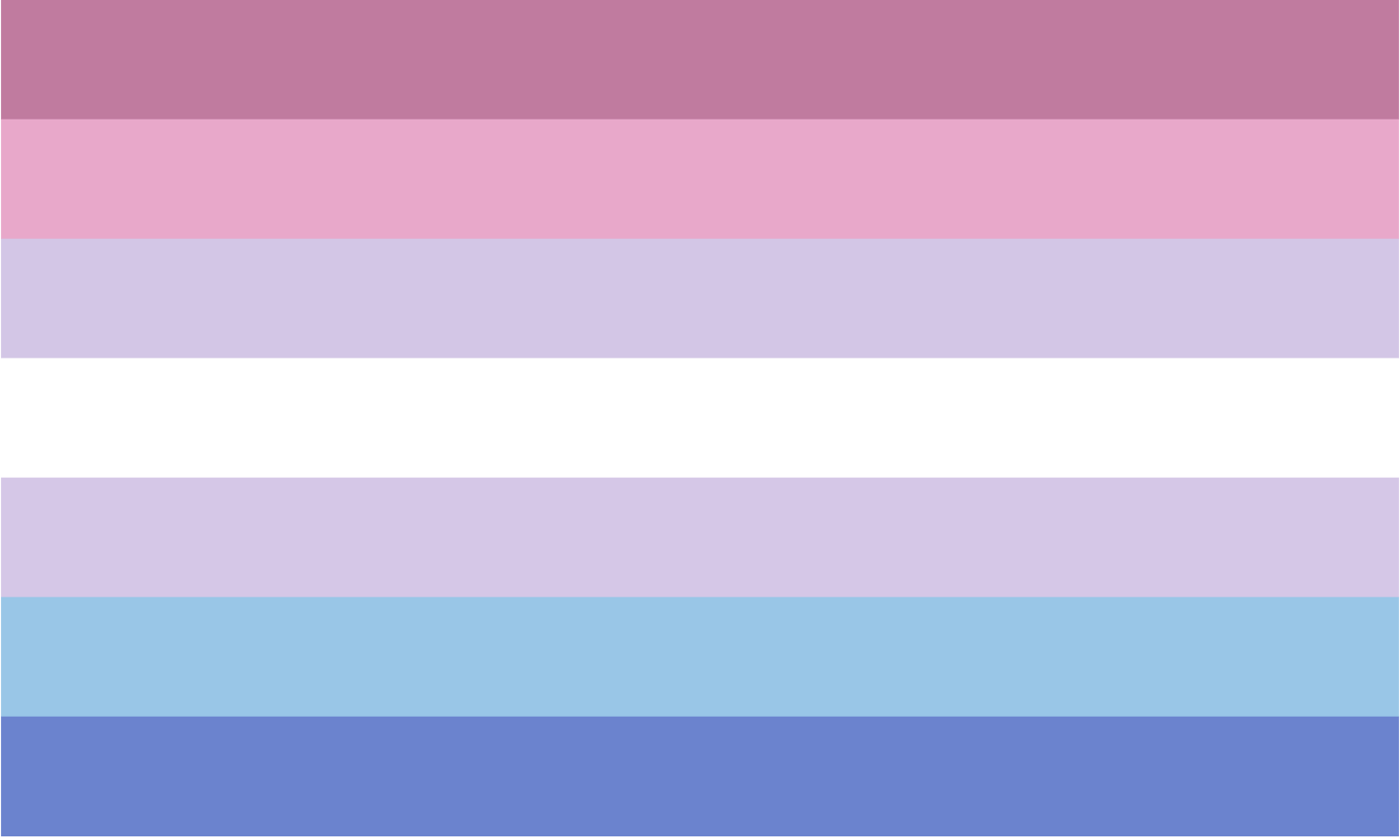
What does this flag represent?
A person who identifies with two distinct genders, either simultaneously or switching between them.
Colour Palette
Downloads
The bigender glyph adapts interlocking and combined gender-symbol conventions to show two gender positions held together.
How to cite or reuse this flag
Source status
Use this page as the guide, then cite the provenance, symbolism and glyph sources listed below.
Attribution
Check source confidence before naming a designer or claiming a single origin story.
Educator use
For educator and inclusion materials, pair the SVG with the meaning, source confidence and context notes.
Design Symbolism
Pink and blue reference feminine and masculine genders, lavender marks mixture or overlap, and white leaves space for nonbinary or additional gender experience.
Layout: 7 horizontal colour bands, read from top to bottom in the public asset.
- Pink tones
- Feminine or female-aligned gender.
- Lavender
- Combination, overlap, or movement between genders.
- White
- Nonbinary, neutral, or additional gender possibilities.
- Blue tones
- Masculine or male-aligned gender.
Story and Usage Notes
Bigender individuals identify with two distinct genders. This dual identification can occur simultaneously or in a fluid manner, where a person may switch between genders at different times. The specific genders a bigender person identifies with can vary widely and may include male, female, nonbinary, or other genders. The experience of being bigender can involve a dynamic and flexible approach to gender identity and expression. Bigender people might navigate different social roles, expressions, and personal understandings of their gender. Respecting bigender identities involves recogniing the legitimacy of their dual gender experience.
Timeline Connections
Origin and Provenance
- Introduced
- 2010s; exact creator unclear
- Designer / attribution
- Unknown community designer
- Source confidence
- low
Created to represent people who identify with two genders, either simultaneously or in alternation.
Multiple bigender flag variants circulate; this entry documents the palette used in the project asset. The page therefore frames the colour reading as community usage rather than a single official specification.