Gender identity
Maverique Pride Flag
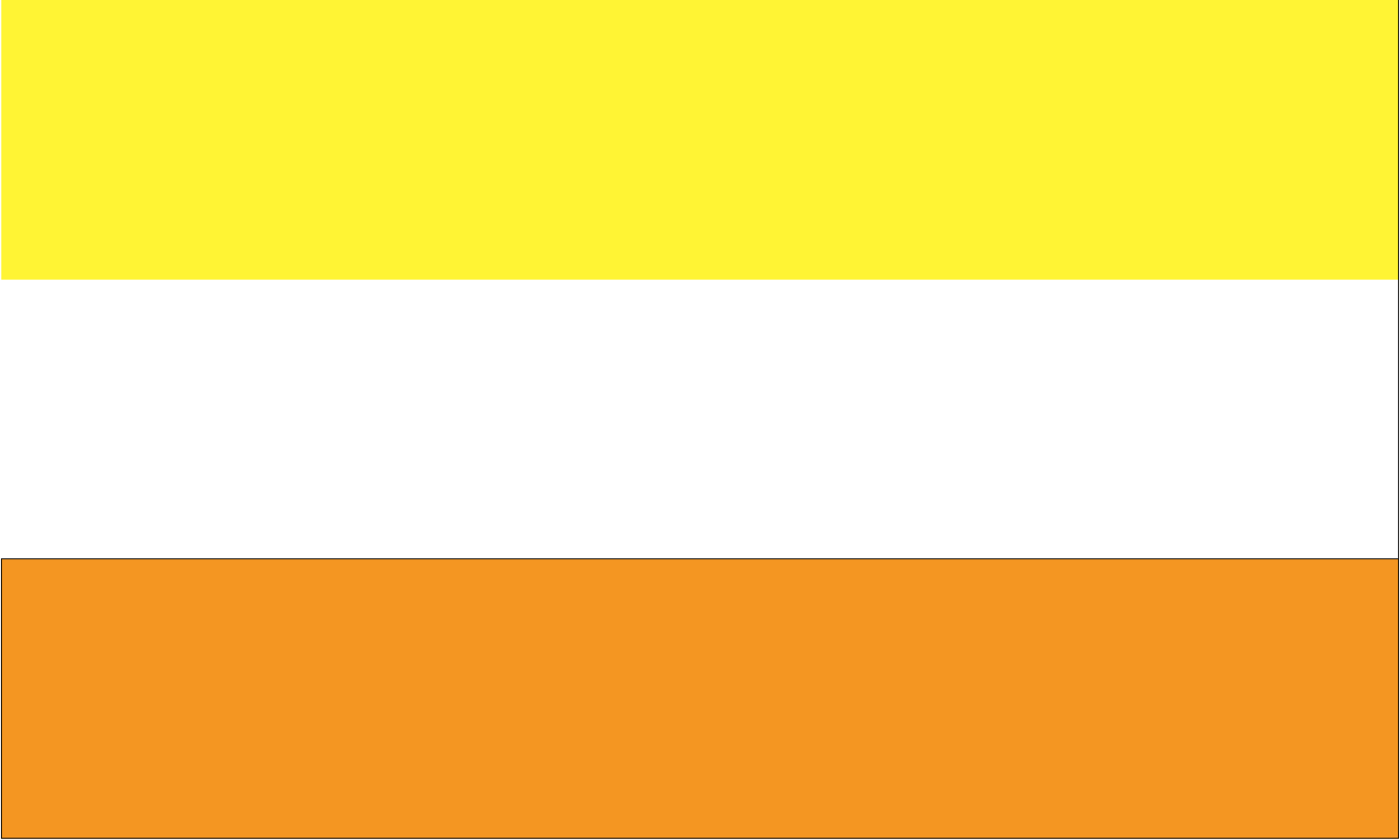
What does this flag represent?
A person who identifies as a gender that is independent and different from male, female, or anything in between.
Colour Palette
Downloads
How to cite or reuse this flag
Source status
Use this page as the guide, then cite the provenance, symbolism and glyph sources listed below.
Attribution
Check source confidence before naming a designer or claiming a single origin story.
Educator use
For educator and inclusion materials, pair the SVG with the meaning, source confidence and context notes.
Design Symbolism
Yellow and orange signal a strong, independent gender outside pink-blue coding, while black and white create contrast with both binary and neutral categories.
Layout: 3 horizontal colour bands, read from top to bottom in the public asset.
- Yellow
- Nonbinary gender outside the binary colour system.
- Orange
- Autonomy, conviction and distinct identity.
- White and black
- Contrast against both binary and neutral readings.
Story and Usage Notes
Maverique is a gender identity that is entirely independent and distinct from traditional categories like male, female, or even nonbinary. Maverique individuals experience their gender as something unique and self-defined, emphasiing autonomy and personal agency in their gender identity. This identity highlights the diversity and individuality inherent in gender experiences, challenging the confines of existing gender categories. Maverique people often advocate for the recognition of their unique identity and the broader understanding that gender can be a deeply personal and individualied experience.
Timeline Connections
Origin and Provenance
- Introduced
- 2014 term; flag attribution less settled
- Designer / attribution
- Unknown community designer
- Source confidence
- low
Created for a nonbinary gender that is independent, autonomous and not defined by masculinity, femininity, neutrality or absence.
The identity term is more stable than the exact flag design history; treat flag attribution cautiously. The page therefore frames the colour reading as community usage rather than a single official specification.