Gender identity
Genderfluid Pride Flag
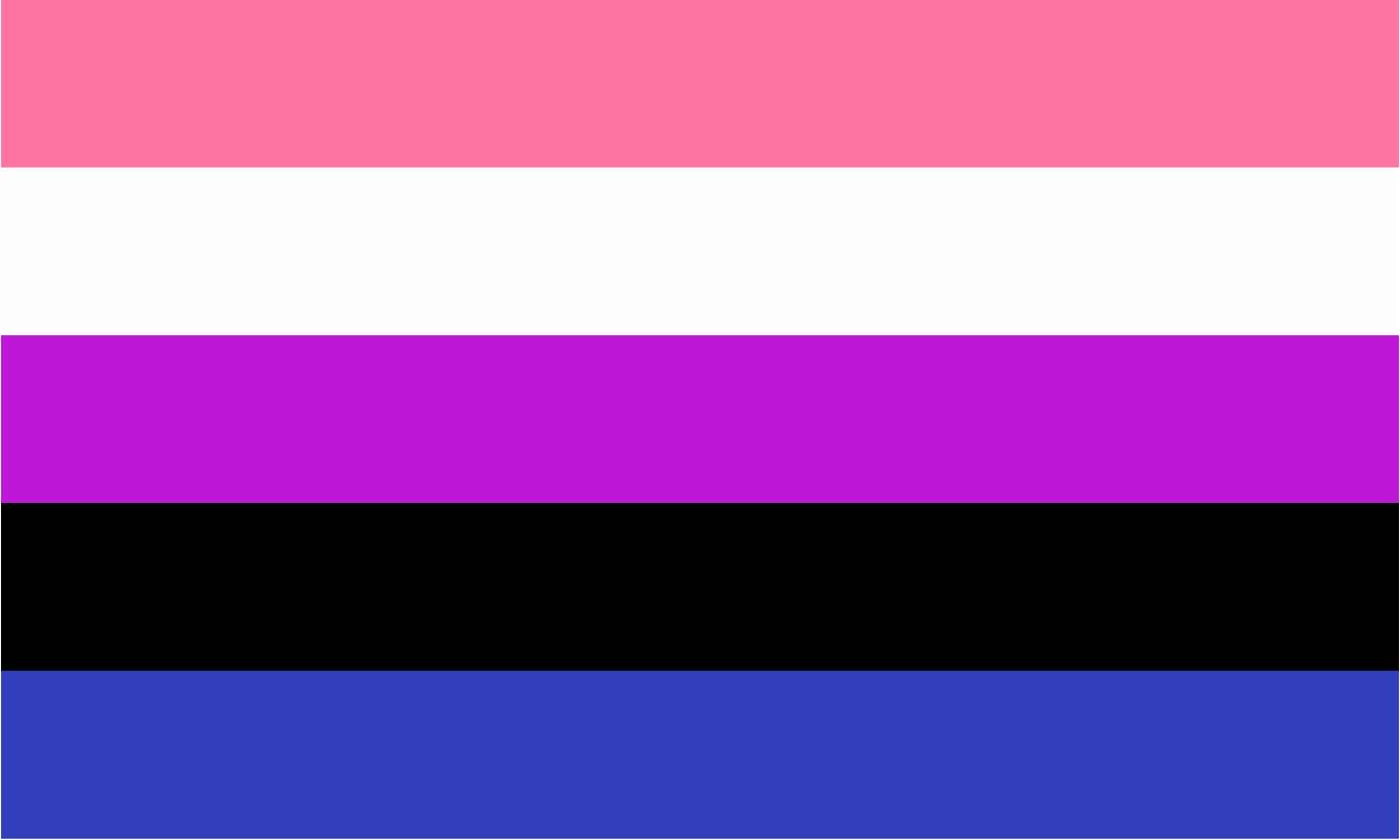
What does this flag represent?
A person whose gender identity or expression shifts between genders.
Colour Palette
Downloads
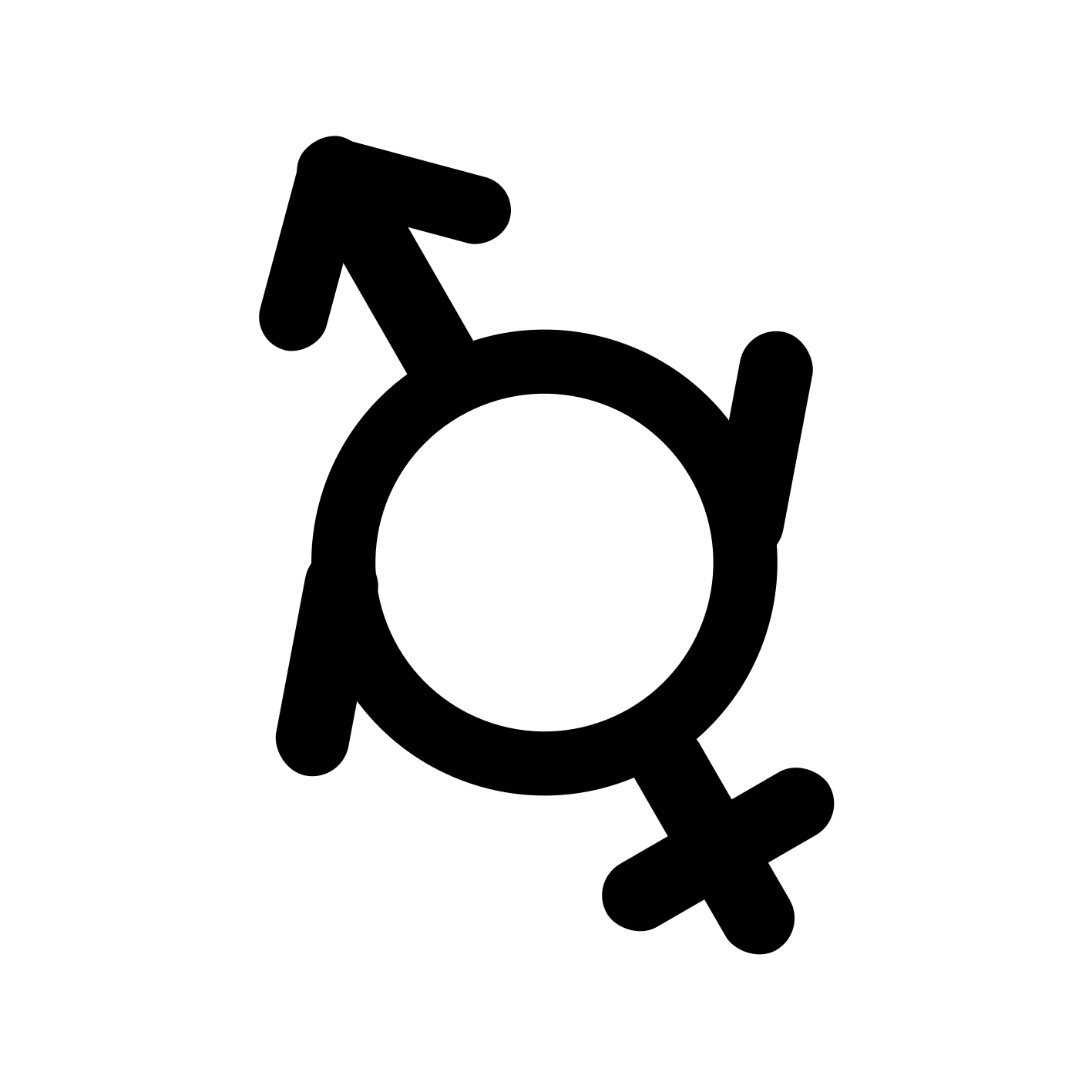
The genderfluid glyph adapts gender-symbol vocabulary into a sign of movement and variability rather than a fixed binary position.
How to cite or reuse this flag
Source status
Use this page as the guide, then cite the provenance, symbolism and glyph sources listed below.
Attribution
Check source confidence before naming a designer or claiming a single origin story.
Educator use
For educator and inclusion materials, pair the SVG with the meaning, source confidence and context notes.
Design Symbolism
The flag maps movement among feminine, genderless, mixed, other-gender and masculine experiences.
Layout: 5 horizontal colour bands, read from top to bottom in the public asset.
- Pink
- Femininity or feeling female.
- White
- Lack of gender.
- Purple
- Masculinity and femininity together, including androgyny.
- Black
- All other genders, including third-gender and pangender experiences.
- Blue
- Masculinity or feeling male.
Story and Usage Notes
Genderfluid individuals experience their gender as changing over time. This fluidity can involve shifts in gender identity, expression, or both. A genderfluid person may feel more masculine at one time, more feminine at another, or align with different genders altogether. The genderfluid identity highlights the dynamic nature of gender and the possibility of change as an inherent aspect of one's gender experience. It challenges static notions of gender and emphasies the importance of recogniing and respecting the fluid and evolving nature of human identity.
Timeline Connections
Origin and Provenance
- Introduced
- 2012-2014 period; widely attributed to JJ Poole
- Designer / attribution
- JJ Poole
- Source confidence
- medium
Created because genderfluid people lacked a distinct symbolic representation within broader genderqueer language.
Media accounts consistently attribute the design to JJ Poole, but the source trail is largely community and Tumblr based.